-

+86-13961903990

+86-13961903990
Industry News
 Home / News / Industry News / Understanding Oilfield Plug Valves: Types, Pressure Ratings, and Key Applications
  2026.08.17
 Industry News
Content
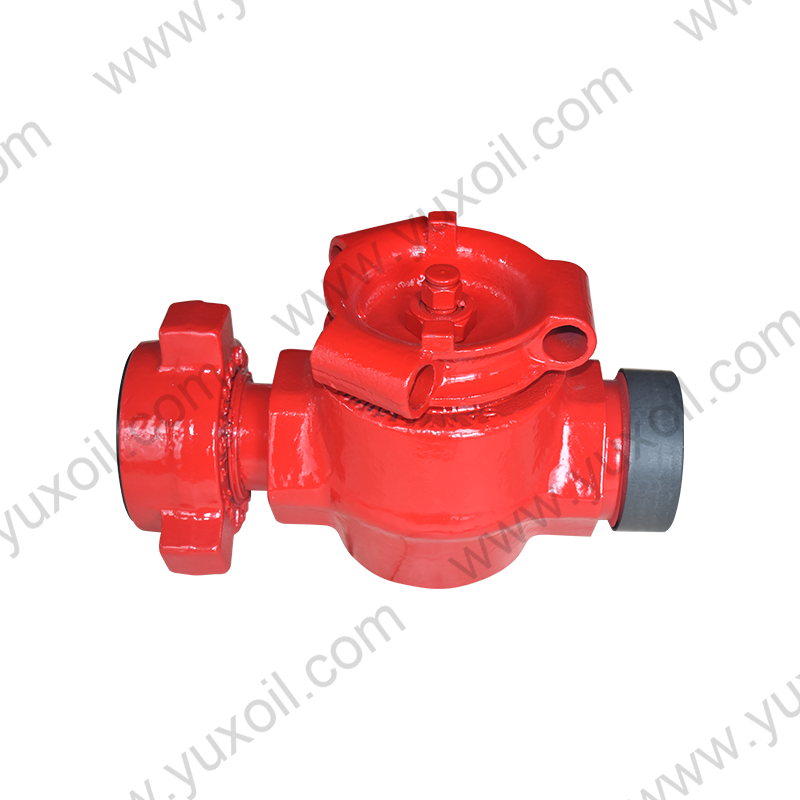
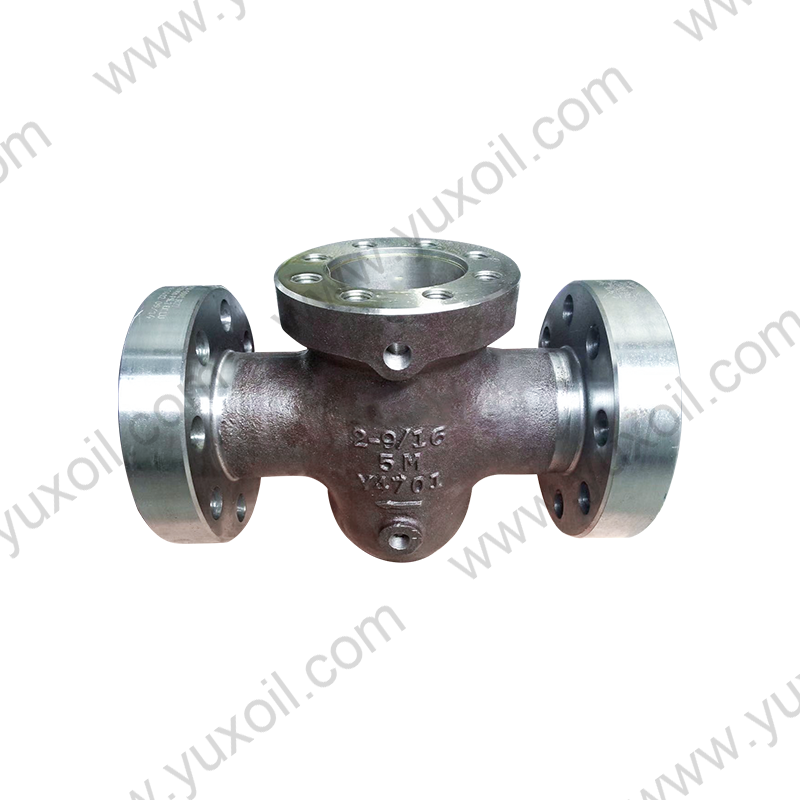
An oilfield plug valve is a quarter-turn isolation valve that uses a cylindrical or tapered plug with a bored passage to control flow. Rotating the plug 90 degrees fully opens or closes the valve, making it ideal for fast shutoff in production, pipeline, and wellhead applications. Plug valves are typically rated from Class 150 to Class 2500 (up to 15,000 psi in API 6A designs) and are chosen over gate or ball valves when quick operation, tight shutoff, and multi-port flow diversion are required in the same device.
A plug valve consists of a body, a cylindrical or slightly tapered plug with a through-hole, and a stem that rotates the plug 90 degrees between open and closed positions. Unlike gate valves, which require multiple turns to actuate, plug valves offer quarter-turn operation, reducing actuation time and simplifying automation. In oilfield service, plug valves are commonly built to API 6D (pipeline valves) or API 6A (wellhead equipment) standards, depending on their installation point.
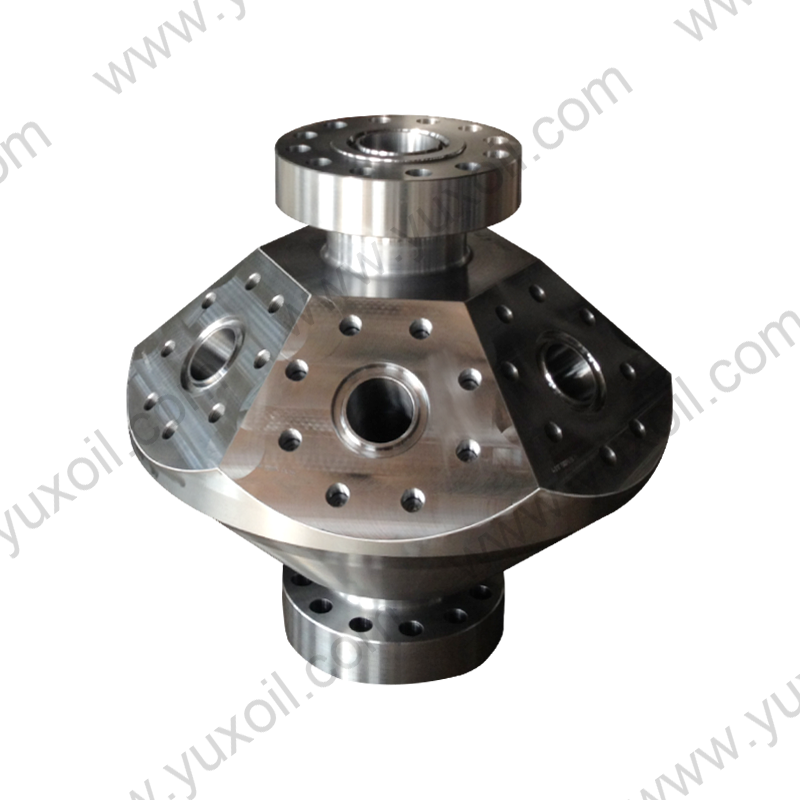
The multi-port capability is a key differentiator: a single three-way or four-way plug valve can replace two or three separate gate valves in manifold systems, reducing footprint and leak points.
Plug valve selection depends primarily on sealing mechanism and plug geometry, each suited to different pressure and maintenance conditions.
Uses a sealant injected between the plug and body to maintain a tight seal and ease rotation. Common in high-pressure pipeline and gathering system service where periodic lubrication is operationally acceptable.
Employs a resilient sleeve, typically PTFE or elastomer, that permanently coats the plug and eliminates the need for sealant. Preferred where maintenance access is limited or sealant contamination is a concern, such as in wellhead and metering skids.
Features a plug that rotates off-center, lifting away from the seat during opening to minimize seat wear. Frequently used in slurry, produced water, or particulate-laden flow where abrasion resistance is critical.
Plug valves used in oilfield service are rated according to ANSI/ASME B16.34 pressure classes for pipeline and process applications, or API 6A PSL/PR classes for wellhead equipment. The table below outlines typical ratings and their common deployment points.
| Class / Rating | Approx. Working Pressure | Typical Application |
|---|---|---|
| Class 150 | 285 psi | Tank farm and gathering lines |
| Class 300 / 600 | 740 – 1,480 psi | Midstream pipelines and metering skids |
| Class 900 / 1500 | 2,220 – 3,705 psi | High-pressure gas transmission |
| API 6A 5K / 10K | 5,000 – 10,000 psi | Wellhead and production manifold isolation |
| API 6A 15K | 15,000 psi | HPHT wellhead and frac manifold service |
Pipeline-rated plug valves generally follow API 6D testing and design requirements, while wellhead-rated units follow API 6A. Confirming which standard applies is essential, since the two specifications differ in material traceability, PSL testing depth, and fire-safe requirements.
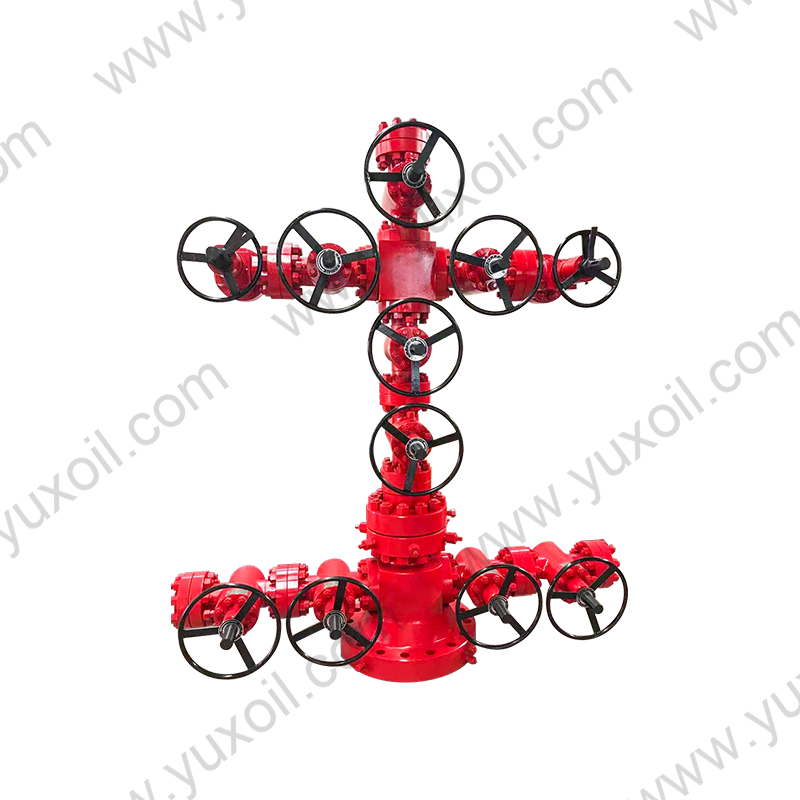
Plug valves are deployed at multiple points across upstream and midstream systems where fast operation and flow diversion are priorities.
In multi-well pad operations, plug valves are often preferred at manifold junctions because a single valve can perform the function of two gate valves, cutting installation footprint by roughly 30-40% while reducing the number of potential leak paths.
Choosing between plug, gate, and ball valves depends on operating frequency, flow characteristics, and maintenance philosophy.
| Feature | Plug Valve | Gate Valve | Ball Valve |
|---|---|---|---|
| Operation | Quarter-turn | Multi-turn | Quarter-turn |
| Multi-port capability | Yes (3-way/4-way) | No | Limited |
| Seat wear on abrasive fluids | Low (eccentric type) | Moderate | High |
| Maximum pressure class | Up to 15,000 psi | Up to 20,000 psi | Up to 20,000 psi |
| Flow resistance | Low to moderate | Very low (full bore) | Very low (full bore) |
Plug valves win where diversion and fast shutoff matter more than absolute pressure ceiling, while gate valves remain the default for the highest-pressure wellhead isolation points, and ball valves are favored where minimal torque and long service life are priorities.
Body and trim materials must be matched to fluid composition, particularly for H2S and CO2-containing streams governed by NACE MR0175/ISO 15156. Common material choices include:
Incorrect material selection is one of the leading causes of premature plug valve failure in sour service, where sulfide stress cracking can compromise carbon steel components within months rather than years.
Proper plug valve selection and upkeep directly affect operational reliability and long-term cost of ownership.
Following a documented inspection and lubrication schedule typically extends plug valve service life significantly and reduces the likelihood of unplanned shutdowns caused by seat leakage or stem seizure.
 No. 161, Yanhe Middle Road, Yanhe Town, Jianhu County, Yancheng City, Jiangsu Province, China
 +86-13961903990
 +86-515-86598285
 +86-515-86590688
Copyright © Jianhu Yuxiang Machinery Manufacturing Co., Ltd. All Rights Reserved.
 Login Wholesale High Pressure Wellhead/Drilling Equipment Manufacturer

 English
 русский
 Español