-

+86-13961903990

+86-13961903990
Industry News
 Home / News / Industry News / A Buyer's Guide to High Pressure Oilfield Valves: Ratings, Types, and Key Considerations
  2026.08.24
 Industry News
Content
A high pressure oilfield valve is any valve rated to operate at 2,000 psi or above, commonly built to API 6A (wellhead equipment, up to 20,000 psi) or API 6D (pipeline valves, up to 2,500 class) standards. The right choice depends on four factors: pressure and temperature rating, valve type (gate, ball, plug, or check), material class for sour or corrosive service, and Product Specification Level (PSL) matching the criticality of the application. Buyers who skip any of these four checks risk premature failure, well control incidents, or costly over-specification.
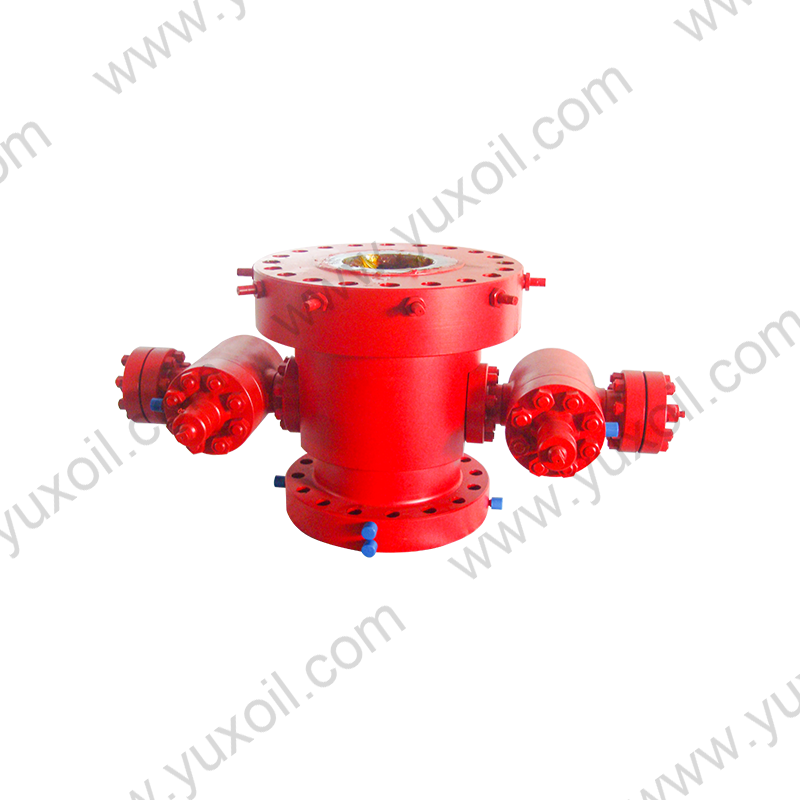
In oilfield terminology, "high pressure" generally refers to valves rated 2,000 psi and above, though the practical threshold varies by application. Surface pipeline valves are often considered high pressure starting at ANSI Class 900 (2,220 psi), while wellhead and Christmas tree valves are considered standard, not exceptional, at 5,000-15,000 psi, with ultra-HPHT wells requiring up to 20,000 psi. These valves must withstand not only static pressure but also pressure cycling, erosive flow, and often sour or corrosive fluids simultaneously.
Buyers should confirm which standard a valve is certified to, since a valve marked "API compliant" without an API Monogram license has not undergone the full design validation and third-party audit process required by the specification.
Pressure class determines wall thickness, bolting, and forging grade. Selecting a class below the maximum anticipated surface pressure (MASP) is the single most common and most dangerous specification error. The table below summarizes typical classes used across upstream and midstream service.
| Rating | Working Pressure | Typical Use |
|---|---|---|
| Class 900 | 2,220 psi | High-pressure gas transmission lines |
| Class 1500 / 2500 | 3,705 – 6,170 psi | Midstream compression and processing |
| API 6A 5K / 10K | 5,000 – 10,000 psi | Standard wellheads and Christmas trees |
| API 6A 15K | 15,000 psi | Deepwater and HPHT wells |
| API 6A 20K | 20,000 psi | Ultra-HPHT and extreme reservoir conditions |
Buyers should also check the temperature class alongside pressure, since a valve rated correctly for pressure but mismatched on temperature (arctic class U vs. hot service class X, for example) can still fail in service.
Each valve type has strengths suited to different points in the well and pipeline system. Matching type to function avoids both under-performance and unnecessary cost.
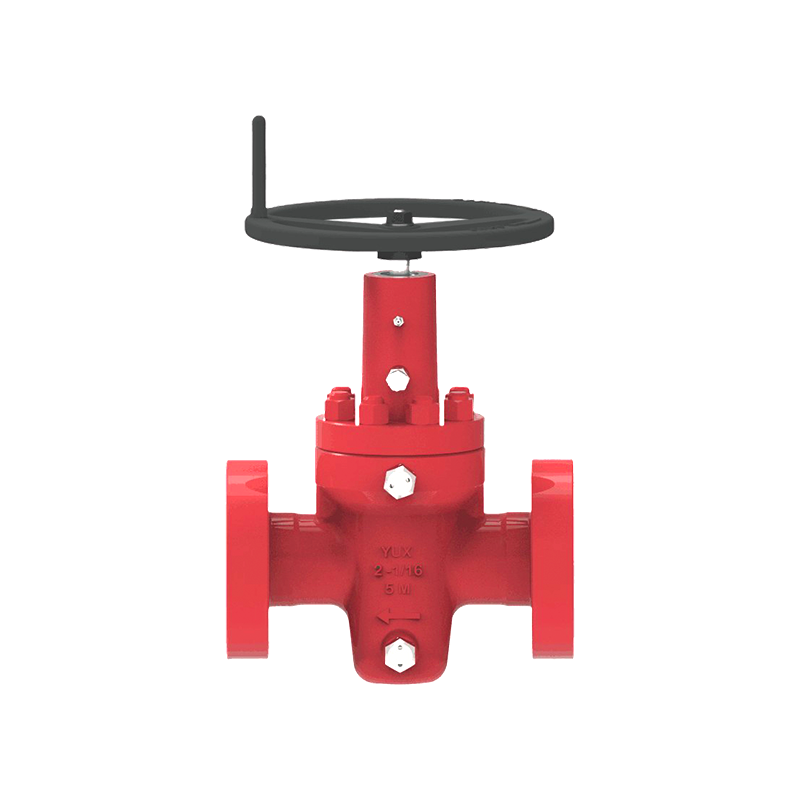
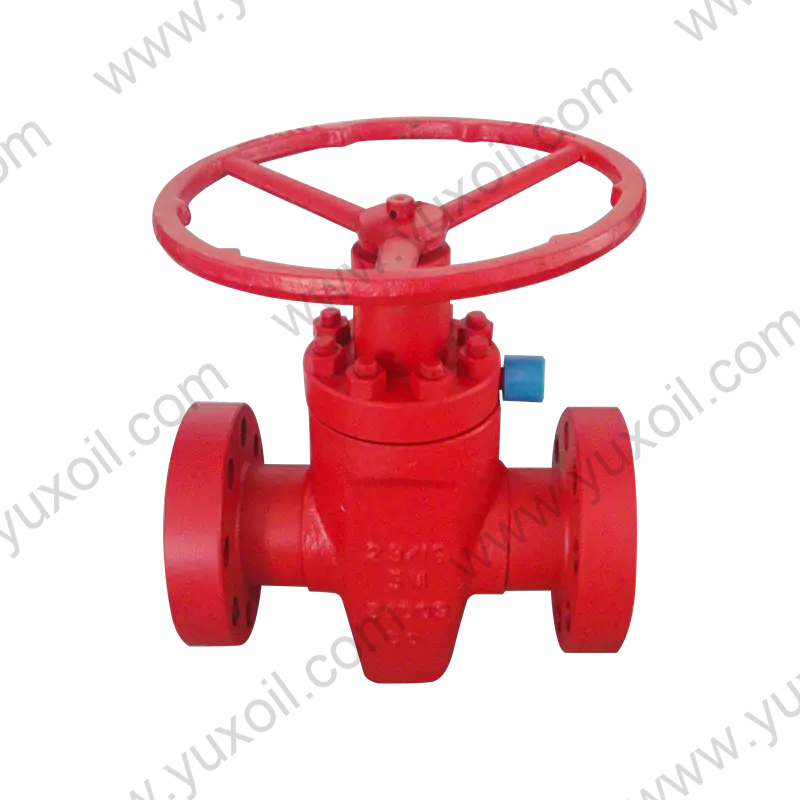
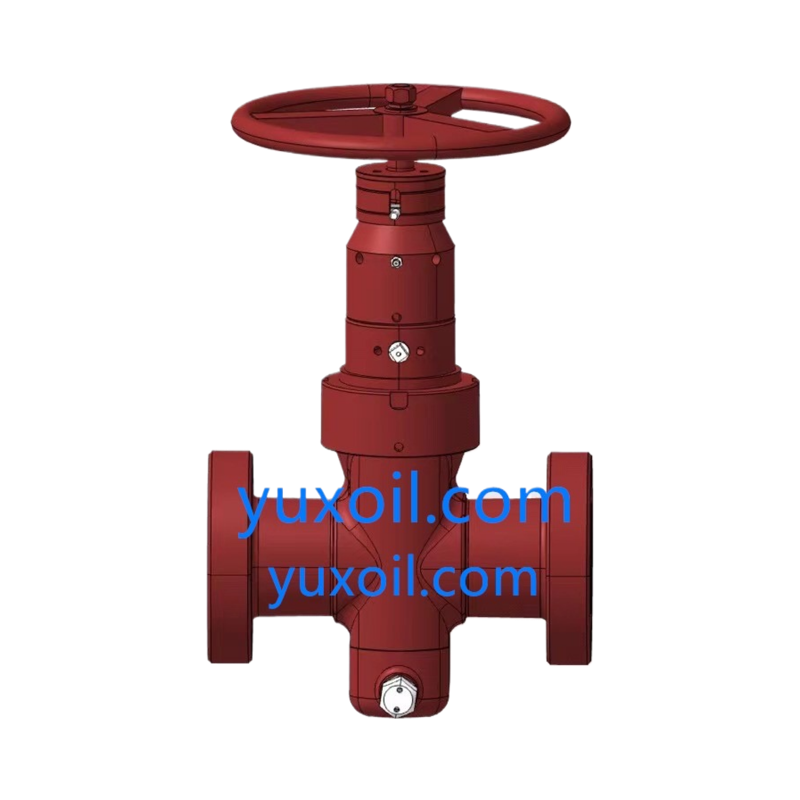
Best for full-bore isolation where minimal flow restriction matters, such as wellhead master and wing valves. Slower to operate (multi-turn) but proven for the highest pressure classes up to 20,000 psi.
Offer quarter-turn operation, low torque, and tight bidirectional shutoff. Favored in pipeline block valve stations and subsea applications where actuation speed and long-term reliability matter.
Provide quarter-turn operation with multi-port flow diversion capability, useful in manifolds where a single valve can replace two or three gate valves. Rated up to 15,000 psi in API 6A configurations.
Prevent backflow automatically without operator input, essential downstream of pumps and at wellhead flow-back points to protect equipment from reverse pressure surges.
API 6A defines four Product Specification Levels that determine the depth of testing and documentation a valve undergoes before delivery. Choosing the correct PSL is as important as choosing the correct pressure class, since it affects traceability and quality assurance, not just pressure capability.
Specifying PSL 4 for a low-risk onshore application inflates cost without added benefit, while under-specifying PSL for offshore or sour wells creates real safety exposure.
Material class must match fluid composition, not just pressure. API 6A material classes (AA through HH) combine base metallurgy with trim material to address corrosion and sulfide stress cracking risk under NACE MR0175/ISO 15156.
| Service Condition | Recommended Class | Typical Materials |
|---|---|---|
| Standard, non-sour | AA | Carbon/low-alloy steel |
| Sour, non-corrosive | DD | Steel body, CRA trim |
| Sour and corrosive | HH | Full corrosion-resistant alloy |
Buyers operating in H2S environments should never substitute a lower material class to reduce cost, since sulfide stress cracking can cause failure within months in carbon steel components exposed to sour fluid.
Beyond pressure, type, PSL, and material, several practical factors determine whether a valve performs reliably over its service life.
Requesting full material test reports (MTRs) and PR2 test documentation before purchase gives buyers verifiable proof of compliance rather than relying on catalog claims alone.
Several recurring errors lead to either safety risk or wasted budget when procuring high pressure oilfield valves.
A disciplined specification process — MASP first, then temperature, PSL, material class, and actuation — consistently produces valves that perform reliably without paying for unnecessary capability.
 No. 161, Yanhe Middle Road, Yanhe Town, Jianhu County, Yancheng City, Jiangsu Province, China
 +86-13961903990
 +86-515-86598285
 +86-515-86590688
Copyright © Jianhu Yuxiang Machinery Manufacturing Co., Ltd. All Rights Reserved.
 Login Wholesale High Pressure Wellhead/Drilling Equipment Manufacturer

 English
 русский
 Español