-

+86-13961903990

+86-13961903990
Industry News
 Home / News / Industry News / Oilfield Plug Valve Explained: Design, Applications, and Key Advantages
  2026.06.15
 Industry News
Content
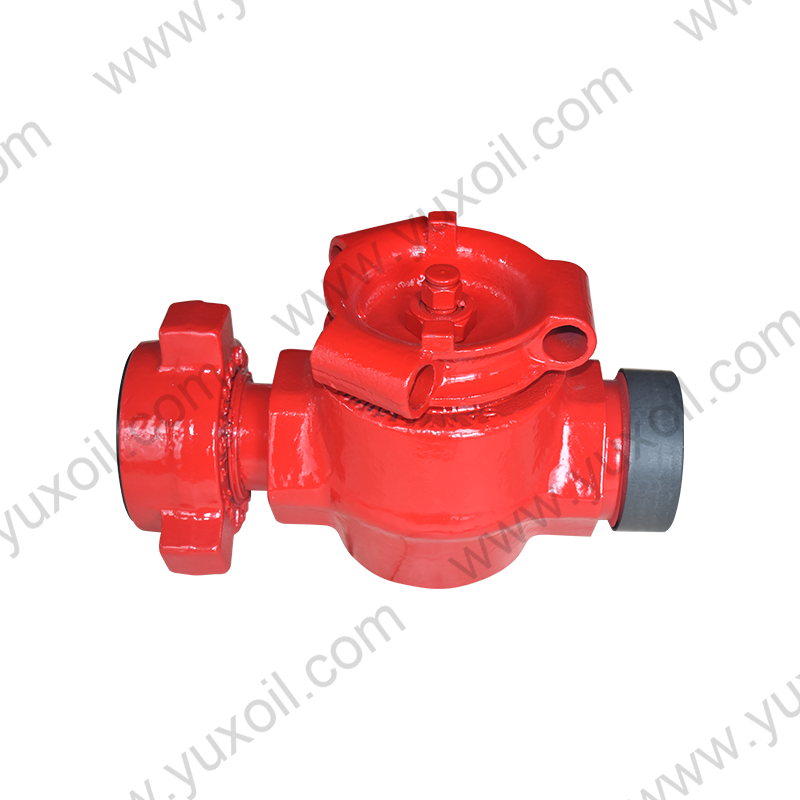
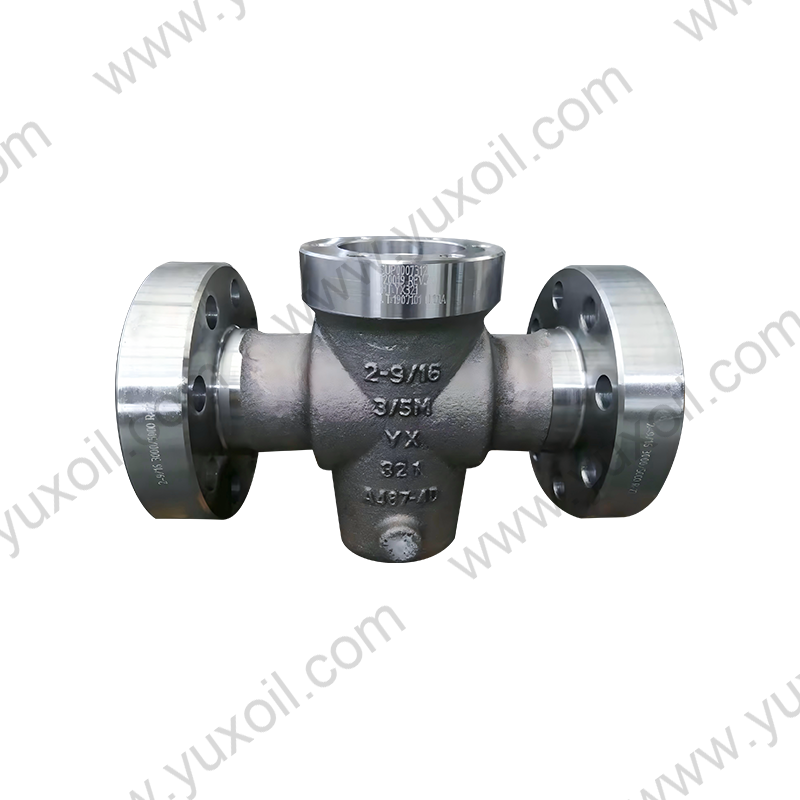
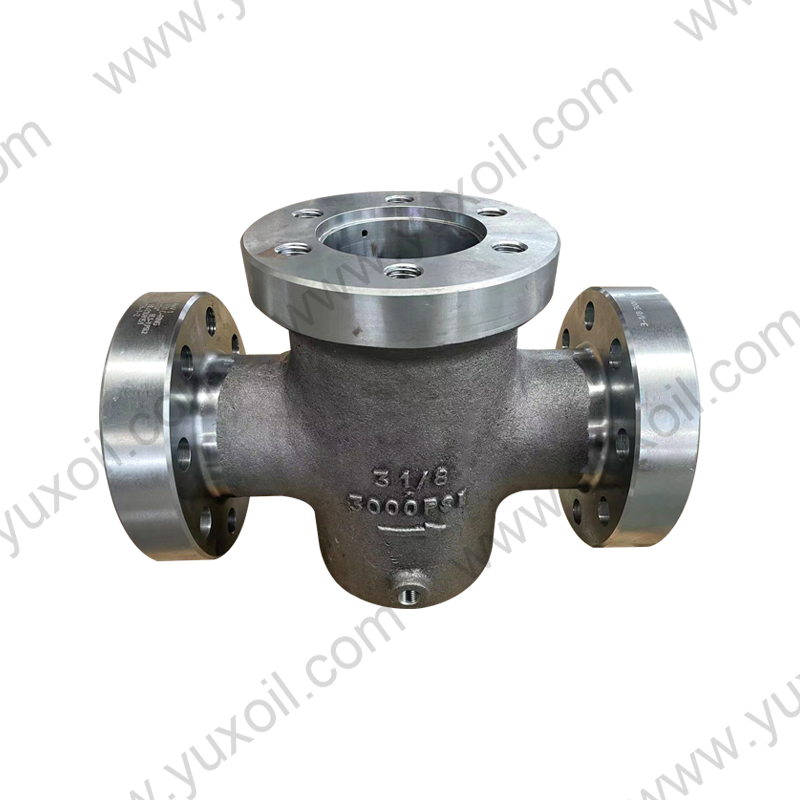
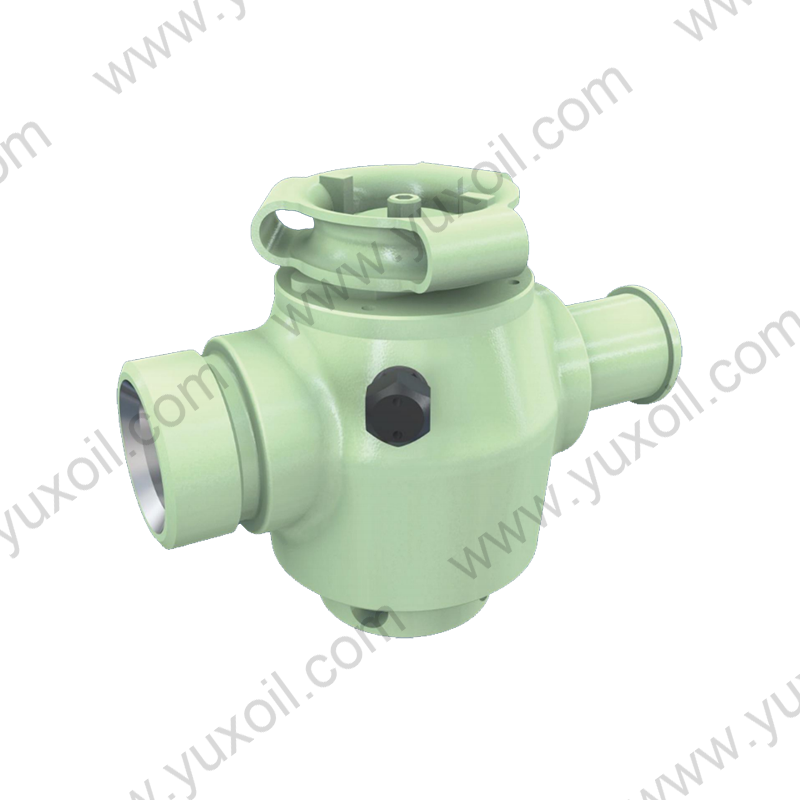
An oilfield plug valve is a quarter-turn rotary valve that uses a cylindrical or tapered plug with a through-bore to control fluid flow in oil and gas pipelines and wellhead equipment. When the plug's bore aligns with the pipeline, flow passes freely; a 90° rotation brings the solid portion of the plug across the flow path, providing a full shutoff. In oilfield service, plug valves are valued for their simplicity, tight shutoff capability, and ability to handle abrasive, viscous, and multiphase media that would rapidly damage more complex valve designs.
The most important distinction in oilfield plug valve selection is between lubricated and non-lubricated designs: lubricated plug valves inject sealant between the plug and body to reduce friction and maintain sealing in high-pressure, high-temperature service; non-lubricated types use engineered sleeve or liner materials to achieve the same result without sealant injection. Both types are standardized under API 6D (Pipeline Valves) and API 6A (Wellhead Equipment), with pressure ratings from Class 150 (approximately 285 psi) up to Class 2500 (approximately 6,250 psi) and beyond for specialized wellhead service.
The oilfield environment demands valves that can reliably isolate flow under extreme conditions: pressures exceeding 10,000 psi at wellheads, temperatures ranging from -46°C to 180°C, and media containing sand, scale, H₂S, CO₂, and produced water alongside hydrocarbons. Plug valves occupy a specific and well-defined role within this environment, differentiated from ball valves, gate valves, and check valves by several structural characteristics.
The plug valve's distinguishing features compared to other quarter-turn valves are:
Oilfield plug valves are categorized by their sealing mechanism, plug geometry, and bore configuration. Each type is suited to specific pressure, temperature, and media conditions.
The lubricated plug valve is the oldest and most widely used type in oilfield service. A viscous sealant—typically a grease or resin compound formulated for the service temperature and media—is injected under pressure through a check-valve fitting at the top of the stem. The sealant fills grooves machined into the plug surface and forms a continuous film between the plug taper and the body bore, simultaneously lubricating rotation and providing the primary pressure seal.
Key operational parameters:
Lubricated plug valves dominate in upstream gathering lines, production manifolds, and trunk pipelines where high pressure and abrasive media make non-lubricated alternatives wear too rapidly.
Non-lubricated plug valves replace the sealant film with a solid sleeve or liner—typically PTFE (polytetrafluoroethylene), PEEK (polyetheretherketone), or reinforced nylon—pressed between the plug and the body. The sleeve provides low-friction rotation and a resilient seating surface without any external sealant injection.
Advantages over lubricated designs:
Limitations: PTFE sleeve temperature ceiling of approximately 200°C restricts use in high-temperature steam or thermal recovery applications. Sleeve wear in abrasive slurry or sand-laden service is faster than lubricated designs, where fresh sealant continuously fills wear grooves.
The eccentric plug valve uses a half-plug (semi-cylindrical) that rotates on an offset centerline. On opening, the plug moves away from the seat before rotating, virtually eliminating sliding contact between plug face and seat during operation. This cam-action lift-off dramatically reduces seat wear, making eccentric plug valves the preferred choice for:
Eccentric plug valves are generally limited to lower pressure classes (Class 150–600, or 285–1,480 psi) compared to full-plug designs, and are more common in midstream and water handling than in high-pressure wellhead applications.
Expanding plug valves use a two-piece plug mechanism that expands radially when rotated to the closed position, forcing metal-to-metal or resilient seat contact around the entire plug circumference. This design achieves double-block-and-bleed (DBB) capability in a single valve body—both upstream and downstream seats seal independently, and the body cavity between them can be vented or monitored.
DBB capability makes expanding plug valves essential in:
Oilfield plug valve bodies are typically manufactured from one of three processes depending on pressure class and size:
The plug taper angle is a critical design parameter that governs the trade-off between seating load and operating torque:
Oilfield plug valves are available in all standard pipeline end connection types. Selection depends on pipeline class, operating pressure, and maintenance philosophy:
The plug valve vs ball valve question is the most common specification decision in oilfield valve engineering. Both are quarter-turn valves with similar operating characteristics, but they differ significantly in sealing mechanism, maintenance requirements, and suitability for specific media.
| Parameter | Plug Valve | Ball Valve |
|---|---|---|
| Seating Surface Area | Large (conical/cylindrical) | Smaller (spherical) |
| Abrasive Media Resistance | Excellent (lubricated type) | Moderate (seats wear faster) |
| DBB Capability | Yes (expanding type) | Yes (DBB ball valve) |
| Field Seal Restoration | Yes (sealant injection) | Limited (grease injection only) |
| Multiport Configuration | Easier (3-way, 4-way common) | Available but more complex |
| Operating Torque | Higher (lubricated); Lower (non-lube) | Lower overall |
| Maintenance Frequency | Regular sealant injection required | Lower (seat replacement only) |
| Cost (equivalent size/rating) | Generally lower | Generally higher |
| Cavity Flushing Ports | Standard on most designs | Available on request |
When to choose a plug valve over a ball valve: In upstream production gathering where sand, scale, and wax are present in produced fluids; in applications requiring in-service sealant restoration capability; in multiport flow diversion service; and in cost-sensitive installations where the plug valve's lower unit cost and field repairability reduce total lifecycle cost.
When to choose a ball valve: In clean gas service where soft-seat ball valves provide superior tight shutoff; in high-cycle automated service where lower operating torque reduces actuator wear; and in cryogenic or very high-temperature service where engineered seat materials in ball valves outperform plug valve sealants.
Plug valves appear throughout the upstream, midstream, and downstream sectors of the oil and gas industry. Their specific advantages make them the valve of choice in certain recurring applications.
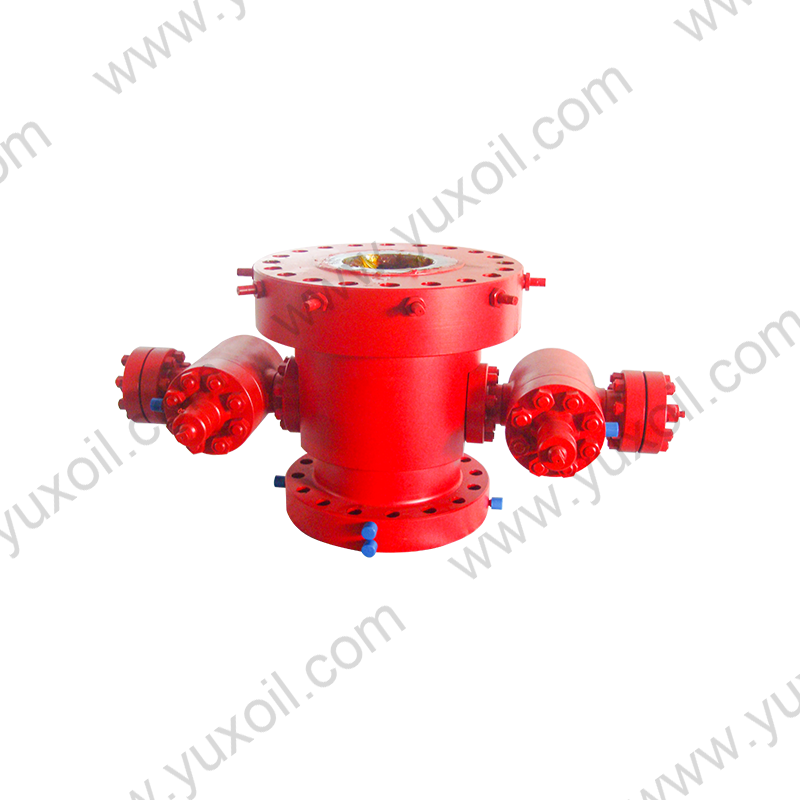
At the wellhead, plug valves serve as wing valves and master valves in Christmas tree configurations. These valves must meet API 6A requirements, including pressure ratings up to 15,000 psi (1,034 bar) for high-pressure gas wells, sour service material requirements per NACE MR0175/ISO 15156, and fire-safe design certification per API 6FA or ISO 10497.
The lubricated plug valve's ability to have its seal restored in situ—without removing the valve from a live wellhead—is particularly valuable in this application, where valve replacement requires well shutdown and kills.
Production manifolds aggregate flow from multiple wells and require frequent valve cycling as individual wells are tested, isolated, or redirected. Plug valves are widely used here because:
Trunk pipelines and gathering lines use full-bore plug valves at sectionalizing points to isolate pipeline segments for maintenance, inspection, or emergency shutoff. Full-bore expanding plug valves at pig launcher and receiver traps allow inspection tools to pass through the valve bore without restriction while providing positive double-block isolation when the pig trap is open for tool retrieval.
ASME B31.4 (liquid pipelines) and B31.8 (gas pipelines) codes specify maximum valve spacing in different location classes—in densely populated Class 3 and 4 locations, sectionalizing valves must be placed no more than 2.5 miles (4 km) apart on gas transmission lines, making valve reliability and low maintenance requirements critical selection factors.
Produced water—the water co-produced with oil and gas—is typically the highest volume fluid handled in mature oilfields, often exceeding hydrocarbon production volumes by 5:1 or more in late-field-life operations. Produced water contains suspended solids, dissolved salts, oil droplets, and scale-forming minerals that rapidly erode conventional soft-seated valves.
Eccentric plug valves with elastomeric or hard-faced seats are the standard choice for produced water injection (PWI) systems, where their lift-off seating action prevents solid particles from being ground between plug and seat during operation—a failure mode that causes rapid seat erosion in conventional rotary valves.
In gas processing and treating facilities—amine units, glycol dehydration, sulfur recovery—non-lubricated PTFE-sleeved plug valves handle process streams where sealant contamination would poison catalyst beds or compromise product quality. The PTFE sleeve's chemical resistance to H₂S, CO₂, amines, and glycols makes it suitable for virtually all gas processing streams within its temperature range.
Subsea plug valves in deepwater trees and manifolds face extreme environmental conditions: water depths up to 3,000m (hydrostatic pressure up to 300 bar), seawater temperatures of 2–4°C, and the requirement for remotely operated vehicle (ROV) or hydraulic actuation without any maintenance access for the 20–25-year design life of the subsea infrastructure.
Subsea plug valves use metal-to-metal seats rather than elastomeric or PTFE seals (which degrade under long-term hydrostatic pressure), and incorporate ROV-operable override interfaces per API 17D requirements.
Oilfield plug valves are subject to multiple overlapping standards depending on their application zone. Understanding which standard applies to a given installation is essential for correct specification.
| Standard | Scope | Key Requirements |
|---|---|---|
| API 6D | Pipeline valves (gathering, transmission) | Design, testing, pressure ratings up to Class 2500 |
| API 6A | Wellhead and Christmas tree equipment | Pressure ratings to 15,000 psi; sour service; fire test |
| API 6FA / ISO 10497 | Fire testing of valves | Valve must maintain 30-min shutoff integrity after fire exposure |
| NACE MR0175 / ISO 15156 | Sour service (H₂S-containing) material requirements | Material hardness limits; SSC/SCC resistance |
| ASME B16.34 | Valves — flanged, threaded, and butt-welding end | Pressure-temperature ratings; body wall thickness |
| API 598 | Valve inspection and testing | Shell test, seat test, backseat test acceptance criteria |
| API 17D | Subsea wellhead equipment | ROV interface, deepwater pressure, design life requirements |
For sour service applications, NACE MR0175 compliance is non-negotiable. H₂S causes sulfide stress cracking (SSC) in high-strength steels; plug valve bodies, stems, and fasteners must meet strict hardness limits (typically Rockwell C22 maximum for carbon and low-alloy steels) to prevent brittle fracture in H₂S-containing environments.
Material selection for oilfield plug valves must address the combined effects of pressure, temperature, and corrosive media. The following table summarizes common material combinations by service condition:
| Service Condition | Body Material | Plug / Trim Material | Seat / Sleeve |
|---|---|---|---|
| Standard hydrocarbon (sweet) | ASTM A216 WCB / A105 | Carbon steel + hard chrome | PTFE / sealant |
| Sour service (H₂S present) | ASTM A216 WCB (NACE) | Low-alloy steel, HRC ≤22 | Sealant (NACE-compatible) |
| High CO₂ / corrosive brine | ASTM A351 CF8M (316SS) | 316 SS + Stellite overlay | PTFE or PEEK sleeve |
| Low temperature (to -46°C) | ASTM A352 LCC / LCB | Low-temp alloy steel | PTFE (retains flexibility) |
| High-temperature (above 200°C) | ASTM A217 WC6 / WC9 | Chrome-moly steel | Metal-to-metal / sealant |
| Highly corrosive (chlorides) | Duplex SS (A890 4A/5A) | Duplex SS + tungsten carbide | PEEK or metal seats |
Plug valves persist in oilfield service despite competition from ball valves and gate valves because they offer a specific combination of advantages that no other valve type fully replicates:
The ability to restore seat sealing by injecting sealant through the stem port—without removing the valve from service—is the plug valve's single most operationally valuable feature in remote oilfield locations. A leaking plug valve on a wellhead or gathering line can be temporarily restored to service in minutes with a sealant gun, avoiding costly well shutdowns while permanent repair is scheduled. No other standard valve type offers equivalent field-recoverable sealing capability.
In lubricated plug valves, the continuous sealant film fills surface irregularities and prevents direct metal-to-particle contact during rotation. Field data from production gathering systems consistently shows lubricated plug valves outlasting equivalent soft-seated ball valves by 2–4× in service life in sand-laden produced fluid service, where ball valve seats develop erosion channels within months.
A basic lubricated plug valve has only four principal components: body, plug, gland, and sealant fitting. This simplicity means fewer potential failure points, easier field repair, and greater tolerance of rough handling during installation compared to multi-component ball valve assemblies with floating or trunnion-mounted balls, multiple seat rings, and stem seals.
Three-way and four-way plug valves allow a single valve body to perform flow diversion functions that would require two or three conventional two-way valves plus tee connections. In production test manifolds, a single 3-way plug valve can divert well flow to a test separator or back to the production header with a single 90° turn—reducing pipe connections, potential leak points, and installed cost.
For sizes above 6 inches in Class 600 and above, lubricated plug valves typically cost 15–30% less than trunnion-mounted ball valves of equivalent pressure rating and material specification. In large pipeline projects involving hundreds of sectionalizing valves, this cost differential becomes a significant capital expenditure factor.
Correct plug valve selection requires working through a structured set of technical and operational criteria. The following sequence covers the decisions that determine both performance and total lifecycle cost.
Plug seizure—the plug becoming impossible to rotate—is the most common operational failure in lubricated plug valves left in the open position for extended periods. Wax, scale, and dried sealant deposit between the plug and body bore, effectively cementing the plug in place. Prevention requires periodic rotation of the plug (at least quarterly) and sealant injection before each operation, even if the valve has not been cycled. Many operators install torque indicators on large plug valve actuators to detect rising operating torque—an early warning of seizure development.
In high-flow or high-pressure differential service, process fluid can flush sealant from the plug grooves faster than it can be replenished—a condition called sealant washout. This leads to metal-to-metal contact, rapid wear, and eventual seat leakage. Prevention involves selecting sealant formulations with higher viscosity and adhesion for high-velocity service, and increasing sealant injection frequency in affected valves.
The stem packing provides the pressure seal between the plug stem and the atmosphere. In sour service, H₂S attack on packing materials can cause rapid deterioration. Specifying graphite packing for sour service (as required by many operator specifications) rather than elastomeric packing eliminates H₂S compatibility concerns and provides reliable sealing up to 260°C.
External body corrosion is a particular concern in offshore and coastal environments where salt spray and marine humidity attack carbon steel valve bodies. Standard practice for offshore installations is to apply fusion-bonded epoxy (FBE) or multi-layer polyurethane coating to valve exteriors, with cathodic protection at buried or submerged sections. Internal corrosion from CO₂ and brine requires corrosion allowance in body wall thickness calculations or upgrading to corrosion-resistant alloy materials.
 No. 161, Yanhe Middle Road, Yanhe Town, Jianhu County, Yancheng City, Jiangsu Province, China
 +86-13961903990
 +86-515-86598285
 +86-515-86590688
Copyright © Jianhu Yuxiang Machinery Manufacturing Co., Ltd. All Rights Reserved.
 Login Wholesale High Pressure Wellhead/Drilling Equipment Manufacturer

 English
 русский
 Español