-

+86-13961903990

+86-13961903990
Industry News
 Home / News / Industry News / How to correctly select the material and pressure rating of API 6A gate valves based on your oilfield conditions?
  2025.12.01
 Industry News
Content
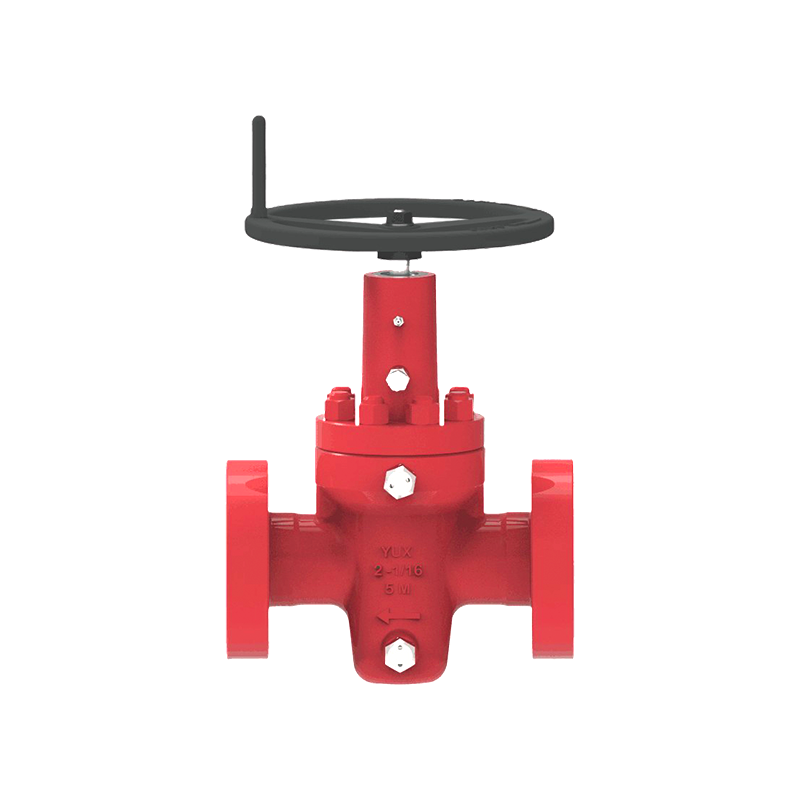
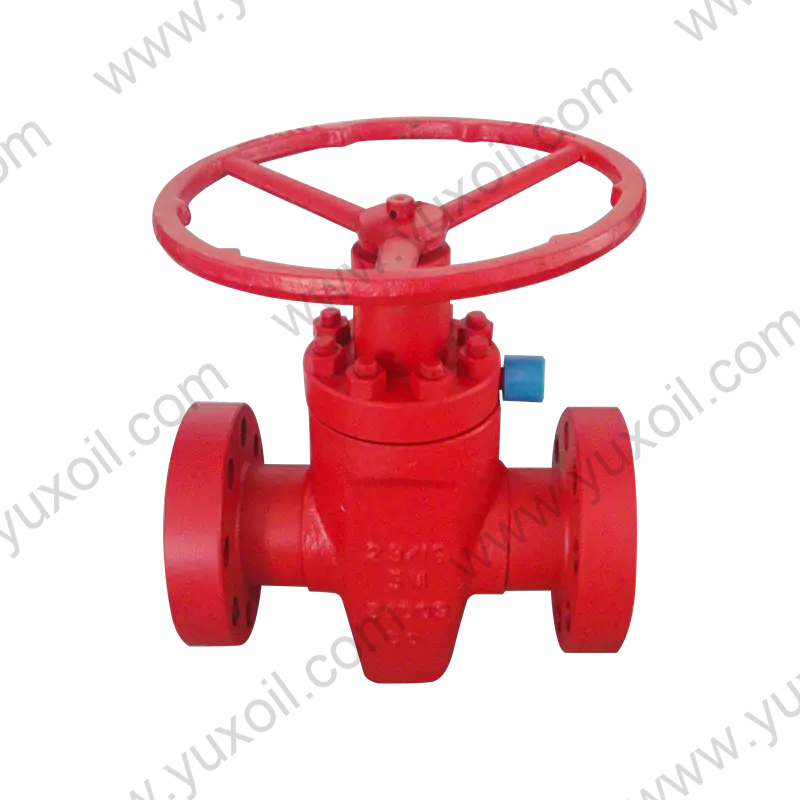
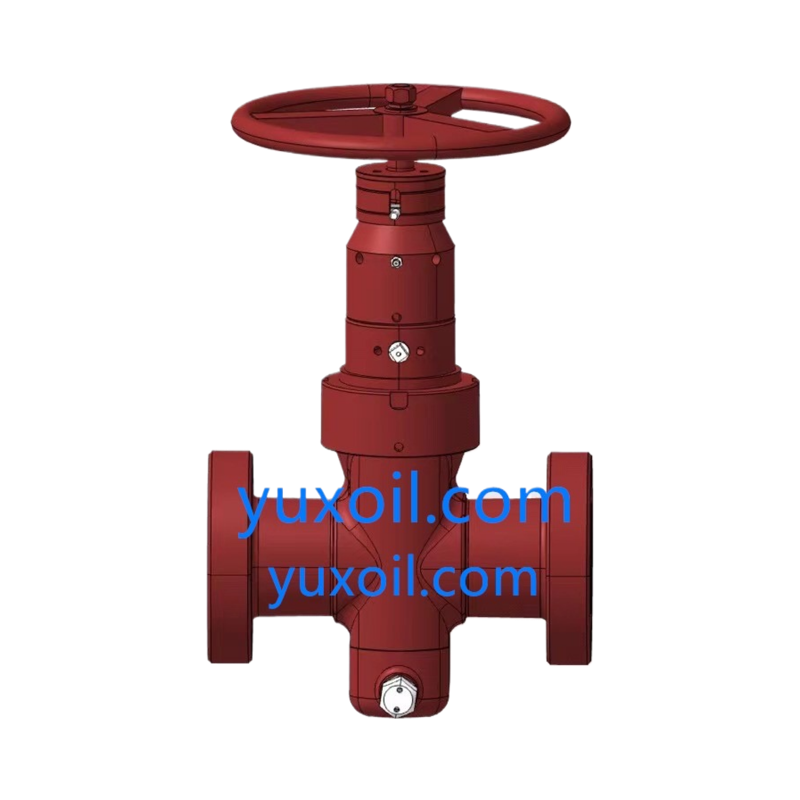
API 6A gate valves are critical components in oilfield wellhead and Christmas tree assemblies. Correctly selecting the material and pressure rating is essential for safety, reliability, and compliance with industry standards.
The pressure rating of the valve must be equal to or greater than the Maximum Anticipated Operating Pressure (MAOP) of the well.
| Nominal Pressure (psi) | API 6A Pressure Class |
|---|---|
| 2,000 | 2M |
| 3,000 | 3M |
| 5,000 | 5M |
| 10,000 | 10M |
| 15,000 | 15M |
| 20,000 | 20M |
The material selection is the most crucial step and depends entirely on the fluid composition (oil, gas, water, and contaminants) and the operating temperature. This is defined by the API 6A Material Class.
API 6A uses a letter designation to specify the material requirements based on corrosive service:
| Material Class | Service Description | Example Application/Notes |
|---|---|---|
| AA | General Purpose Non-Sour | Standard service, low-cost. |
| BB | Low Temperature Non-Sour | Standard service, cold climates. |
| CC | High Temperature Non-Sour | Standard service, high temperature. |
| DD | General Purpose Sour (NACE) | Requires $\text{H}_2\text{S}$ resistance, NACE MR0175/ISO 15156 compliant. |
| EE | Low Temperature Sour (NACE) | Sour service in cold climates. |
| FF | High Temperature Sour (NACE) | Sour service at elevated temperatures. |
| HH | High-level Sour Service | For severe $\text{H}_2\text{S}$ and/or high pressure. |
The material class (Step 2) is often refined by the temperature rating. The valve must be rated for the full range of potential operating temperatures.
| Temperature Class | Temp Range (F) | Temp Range © |
|---|---|---|
| L | $-50$ to $180$ | $-46$ to $82$ |
| P | $-20$ to $180$ | $-29$ to $82$ |
| T | $-20$ to $250$ | $-29$ to $121$ |
| U | $0$ to $250$ | $-18$ to $121$ |
| X | $-20$ to $350$ | $-29$ to $177$ |
| Y | $-20$ to $650$ | $-29$ to $343$ |
The PSL specifies the level of manufacturing quality, testing, and documentation required for the equipment. Higher PSLs mean more stringent requirements.
Selection Rule: Choose a PSL based on the criticality and risk associated with the well. For most standard production wells, PSL 2 or PSL 3 is appropriate.
 No. 161, Yanhe Middle Road, Yanhe Town, Jianhu County, Yancheng City, Jiangsu Province, China
 +86-13961903990
 +86-515-86598285
 +86-515-86590688
Copyright © Jianhu Yuxiang Machinery Manufacturing Co., Ltd. All Rights Reserved.
 Login Wholesale High Pressure Wellhead/Drilling Equipment Manufacturer

 English
 русский
 Español