-

+86-13961903990

+86-13961903990
Industry News
 Home / News / Industry News / How Do Oilfield Plug Valves Help Prevent Leaks and Enhance Safety in the Field?
  2025.12.08
 Industry News
Content
Oilfield plug valves are integral to the oil and gas industry, providing crucial functions in regulating fluid flow, preventing leaks, and enhancing safety in the field. These valves, designed for high-pressure and high-risk environments, ensure the integrity of pipeline systems by controlling the flow of oil, gas, and other fluids. Their robust design, reliability, and leak-prevention capabilities make them essential in avoiding hazardous situations and maintaining safe operations.
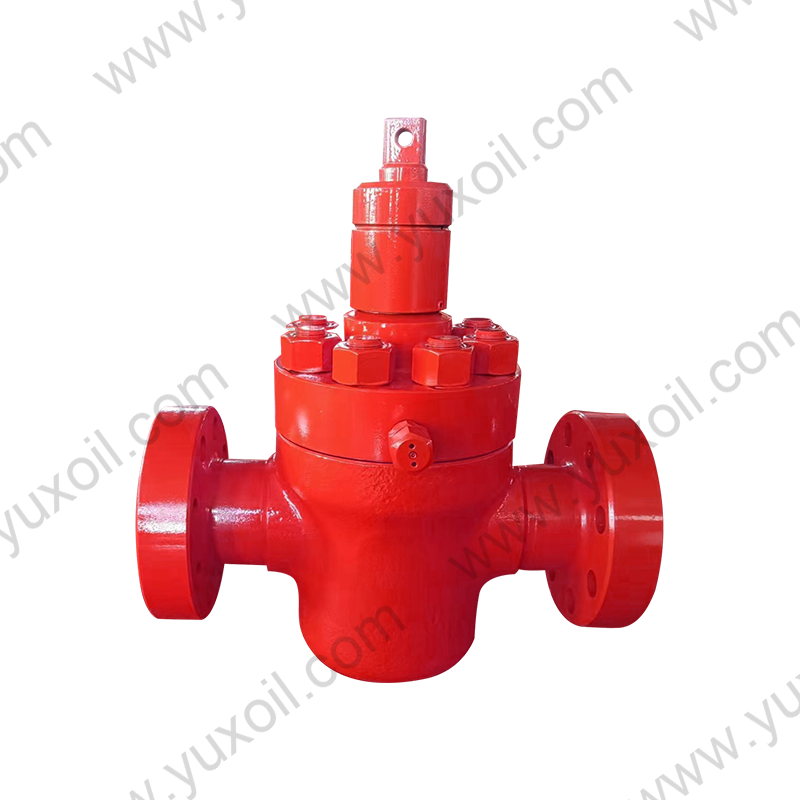
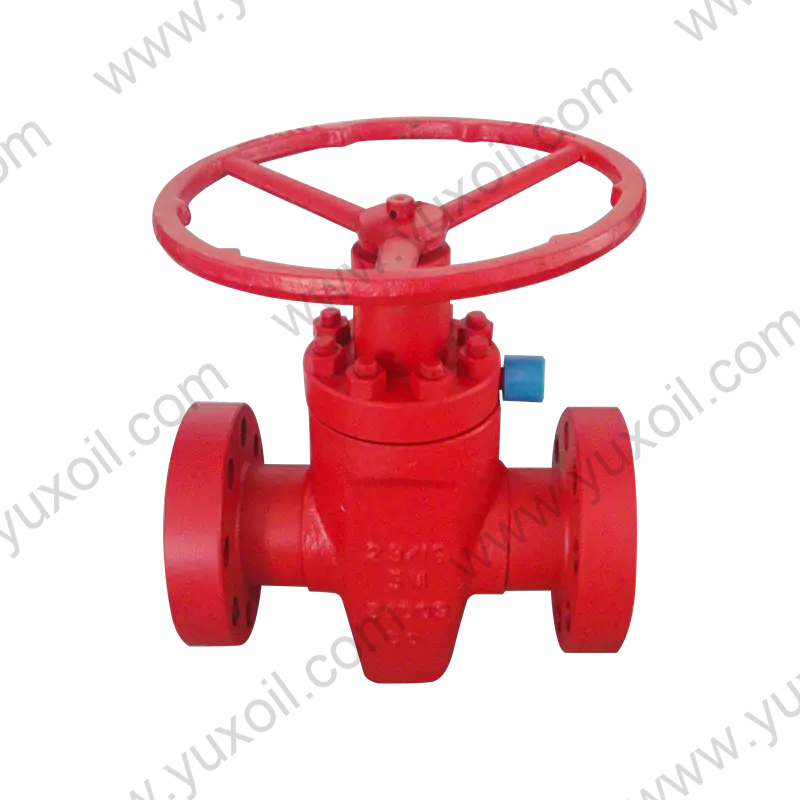
Oilfield plug valves are a type of quarter-turn valve commonly used in oil and gas applications to control the flow of fluids. They consist of a cylindrical or tapered plug inside the valve body that rotates to either block or allow fluid flow. The plug has a central hole that aligns with the pipeline to allow fluid to pass when open, and blocks the flow when closed.
Basic Operations:
This straightforward design makes the plug valve easy to operate and maintain, and highly effective in applications where fluid flow control is critical, such as in oilfields where reliability is paramount.
In the oil and gas industry, preventing leaks is essential for protecting both the environment and the integrity of the operation. Even small leaks in pipelines can lead to significant environmental and financial damage. Oilfield plug valves are specifically designed to prevent these leaks through their robust sealing mechanism and high-performance materials. Here’s how they help:
The primary advantage of oilfield plug valves is their ability to create a very tight seal when closed, which is essential for preventing leaks in high-pressure environments. The plug, often made from materials like stainless steel, has a precisely machined surface that fits tightly against the valve body. When the valve is closed, the plug seals the flow path, effectively preventing any fluid from escaping.
Many oilfield plug valves are designed with a self-cleaning feature. As the plug rotates during the opening and closing cycle, it scrapes off any debris, buildup, or sediment that may have accumulated on the sealing surfaces. This self-cleaning action ensures that the valve’s seals remain intact and functional, reducing the risk of leakage caused by foreign particles or wear.
Plug valves are designed to handle high-pressure systems, often found in oil and gas pipelines. The valve’s ability to maintain a secure seal under high-pressure conditions is one of its key advantages in preventing leaks. As pressure fluctuates in the pipeline, the plug valve’s design ensures that it maintains a tight seal without compromising its function, even when subjected to substantial pressure changes.
Oilfield plug valves are versatile and can be used with a wide range of fluids, including crude oil, natural gas, water, and various other fluids common in oilfield operations. The materials used in plug valves (such as stainless steel, brass, or specialty alloys) are resistant to corrosion and wear, ensuring that the valve provides a reliable seal, even when exposed to harsh chemicals or abrasive fluids.
The following table summarizes the different factors that help prevent leaks in oilfield plug valves:
| Factor | Description |
|---|---|
| Tight Shutoff | Ensures a secure seal when the valve is closed, preventing fluid leakage. |
| Self-Cleaning Action | Scrapes debris off the sealing surfaces to maintain a reliable seal. |
| Pressure Resistance | Maintains a tight seal under fluctuating or high-pressure conditions. |
| Material Durability | Corrosion-resistant materials (e.g., stainless steel) ensure long-lasting seals. |
By addressing these factors, plug valves help prevent the release of oil or gas into the environment, reducing operational risks and maintaining pipeline integrity.
The oilfield environment is high-risk, with potential hazards such as leaks, explosions, fires, and pressure surges. Oilfield plug valves play a vital role in reducing these risks and enhancing safety. Here’s how:
One of the most important features of oilfield plug valves is their ability to perform a quick, reliable shutdown. Since they are operated by a quarter-turn mechanism, plug valves can close rapidly in emergencies, stopping the flow of fluids instantly. This quick response is critical during emergency situations such as pressure surges or when an unexpected leak occurs. By enabling rapid shutdowns, plug valves minimize the potential for catastrophic events and allow operators to contain hazards quickly.
Plug valves are known for their simple design, which results in lower maintenance requirements. With fewer moving parts compared to other valve types (such as ball or gate valves), plug valves are less likely to suffer from mechanical failure. This reliability ensures that they continue to perform their sealing function over long periods of time, even in harsh field conditions. Fewer maintenance interventions reduce the risk of human error and operational downtime, contributing to overall safety.
Blowouts occur when well pressure exceeds the pressure control systems, resulting in an uncontrolled release of oil or gas. Oilfield plug valves help manage well pressure effectively, preventing blowouts by securely sealing off the flow of fluids when necessary. By controlling pressure and stopping the flow, plug valves are a vital tool in blowout prevention and maintaining safe operating conditions.
Leaks from pipelines, particularly in oilfields, can lead to significant environmental damage, including soil and water contamination. By preventing leaks, oilfield plug valves help protect the environment. In addition to stopping the flow of fluids, their durable sealing mechanism ensures that the fluids remain contained even under adverse conditions, reducing the risk of environmental pollution.
Oil and gas operations are inherently dangerous due to the presence of flammable materials. Even a small leak or rupture can lead to explosions or fires. By ensuring a tight seal and minimizing the chance of fluid leakage, plug valves help prevent the risk of ignition and fire. Their quick shutoff capabilities are particularly useful in controlling flow to prevent fire hazards.
The table below illustrates how oilfield plug valves help improve safety in various situations:
| Safety Feature | Description |
|---|---|
| Quick Shutoff | Allows immediate closure to stop flow during emergencies. |
| Reliability | Fewer moving parts lead to lower risk of failure, enhancing safety. |
| Blowout Prevention | Manages pressure to prevent well blowouts, maintaining control over fluids. |
| Environmental Protection | Prevents leaks that could contaminate soil and water, safeguarding ecosystems. |
| Fire and Explosion Control | Ensures leak-free operation to minimize the risk of fires or explosions. |
By focusing on these safety aspects, oilfield plug valves are instrumental in minimizing hazards and improving overall safety standards in oil and gas operations.
While oilfield plug valves are designed to be robust and reliable, following best practices in installation, maintenance, and operation is essential to maximize their leak-prevention capabilities and safety benefits. Here are some best practices to ensure optimal performance:
 No. 161, Yanhe Middle Road, Yanhe Town, Jianhu County, Yancheng City, Jiangsu Province, China
 +86-13961903990
 +86-515-86598285
 +86-515-86590688
Copyright © Jianhu Yuxiang Machinery Manufacturing Co., Ltd. All Rights Reserved.
 Login Wholesale High Pressure Wellhead/Drilling Equipment Manufacturer

 English
 русский
 Español