-

+86-13961903990

+86-13961903990
Industry News
 Home / News / Industry News / What Are the Key Differences Between API 6A Gate Valves and Other Valves?
  2025.12.15
 Industry News
Content
Valves are critical components in industrial processes, particularly in the oil and gas industry, where controlling fluid flow safely and efficiently is essential. Among the various types of valves, API 6A gate valves stand out for their reliability in extreme conditions. These valves are designed according to API 6A standards, which define requirements for valves used in high-pressure, high-temperature environments such as oil wells and subsea pipelines.
Understanding the differences between API 6A gate valves and other valves like ball, globe, and butterfly valves is vital for engineers, operators, and procurement teams. Choosing the wrong type of valve can result in equipment failure, operational downtime, and safety hazards. This article explores the structural, functional, and material differences between API 6A gate valves and other common industrial valves, explaining why selecting the right valve is critical for performance, safety, and cost-efficiency.
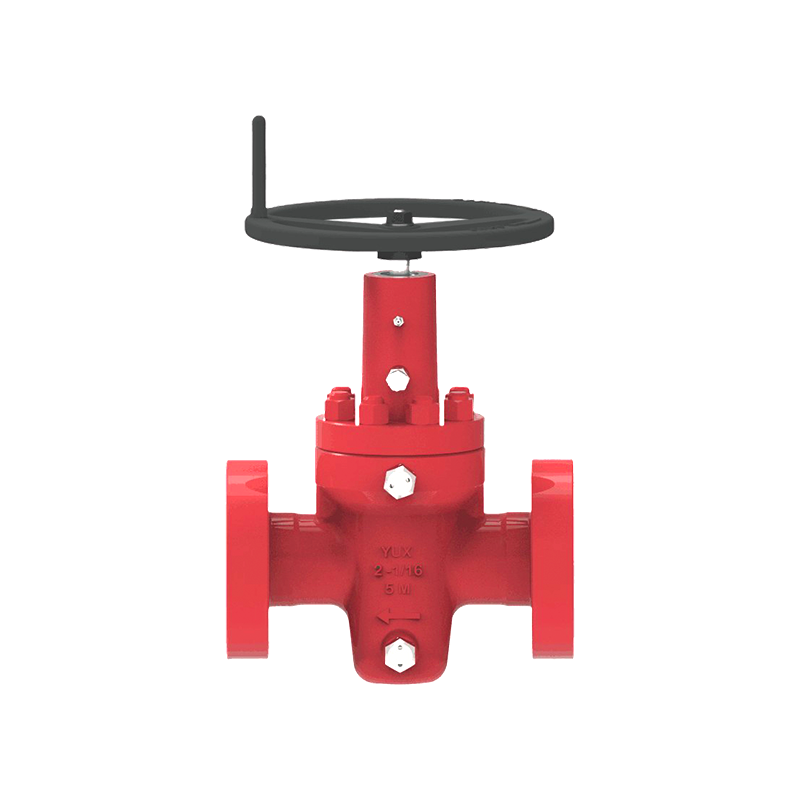
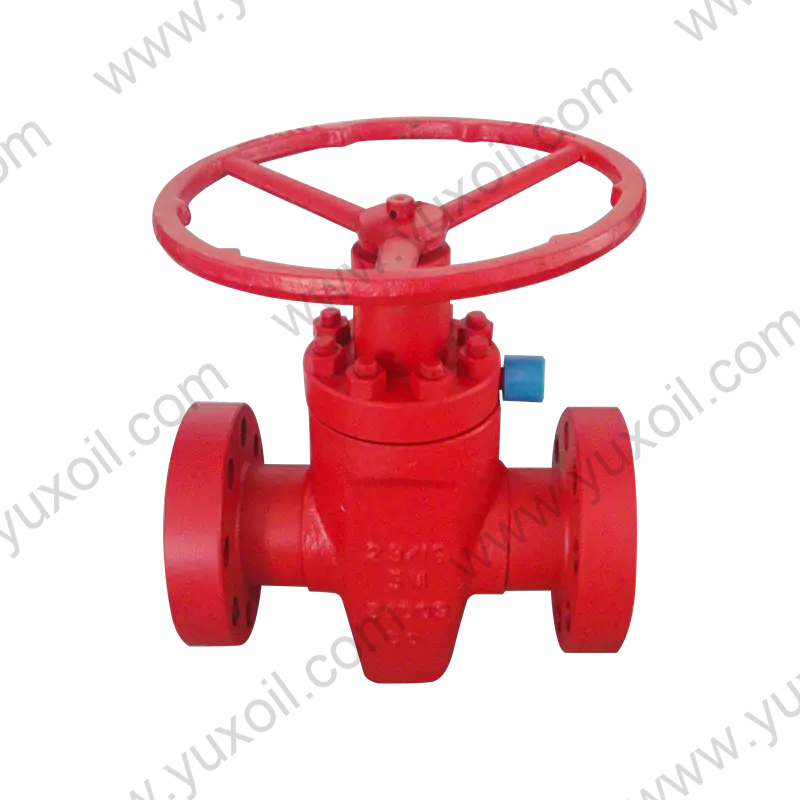
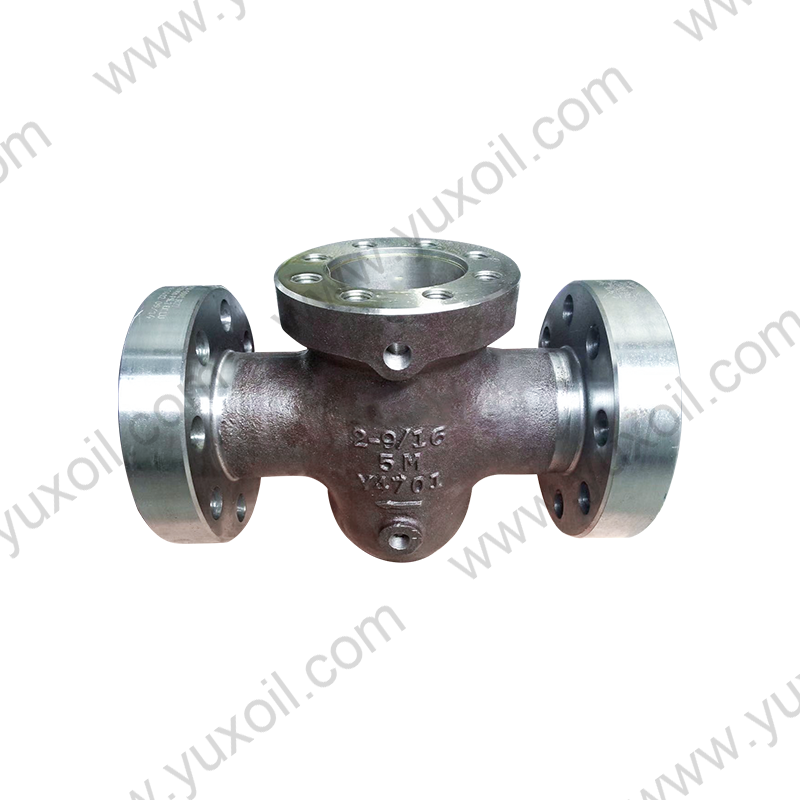
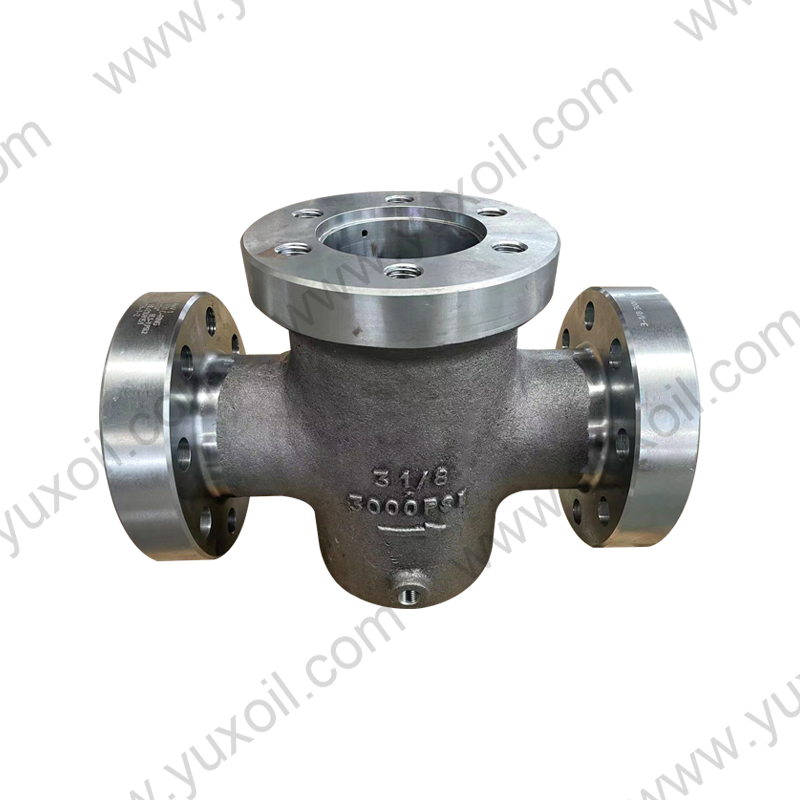
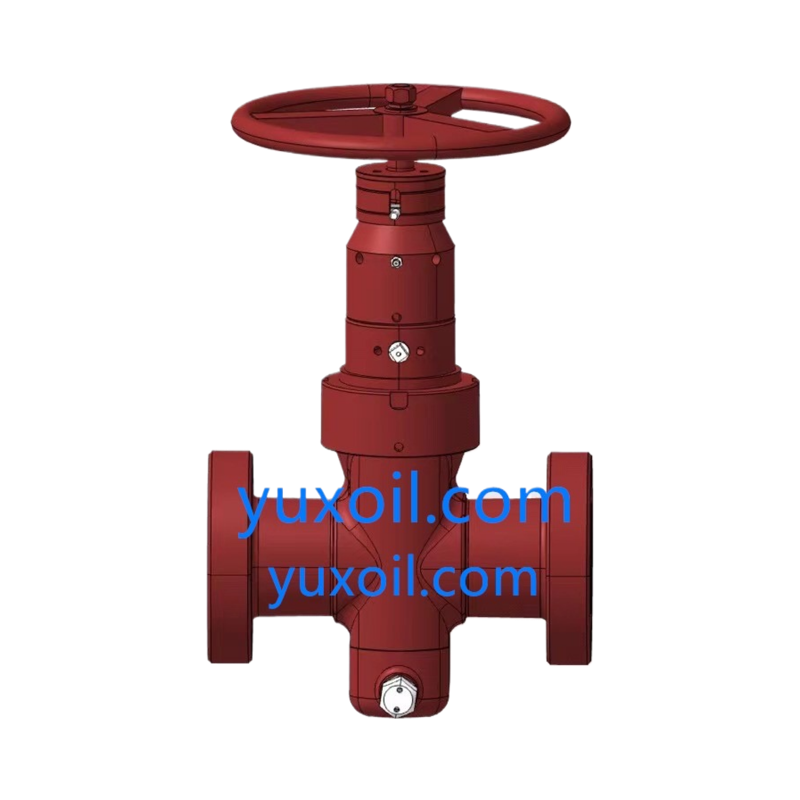
API 6A gate valves are high-performance valves engineered for the oil and gas industry. They are designed to withstand extremely high pressures, sometimes exceeding 20,000 psi, and high temperatures, while ensuring tight sealing and minimal leakage. These valves typically feature a sliding wedge gate that moves perpendicular to the flow path, allowing the valve to open fully or close completely. The design ensures full bore flow, which minimizes pressure drops and optimizes operational efficiency.
Materials used for API 6A gate valves include high-strength steel alloys, corrosion-resistant stainless steel, and in some cases, specialty materials suitable for subsea and offshore environments. These valves are rigorously tested according to API standards for pressure, temperature, and durability. In addition, API 6A gate valves are often used in bidirectional flow applications, meaning they can reliably seal against pressure from either direction, making them ideal for wellhead systems and other critical operations.
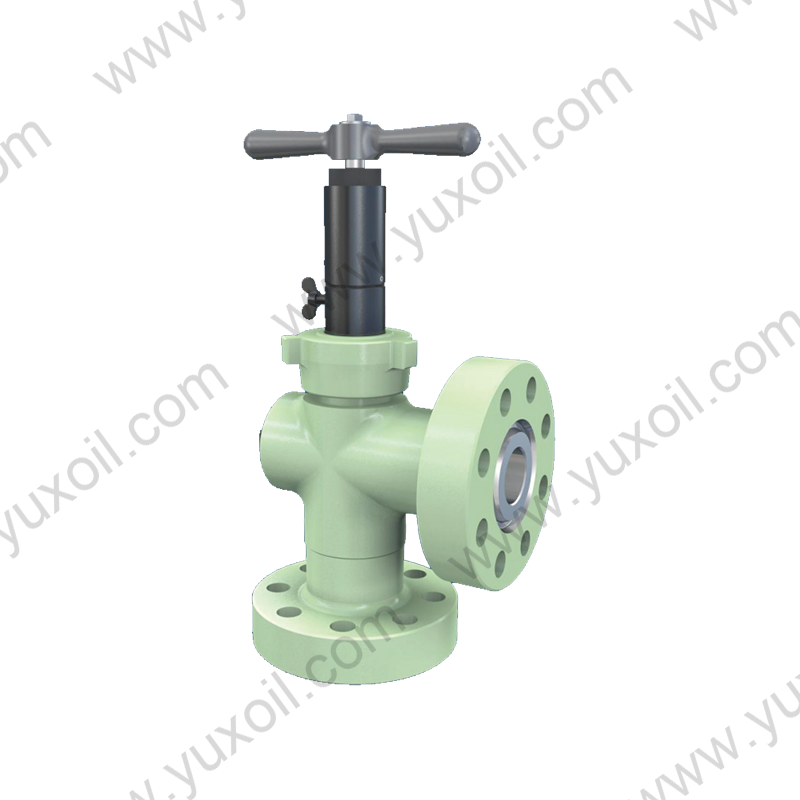
The main difference lies in the mechanical design. API 6A gate valves use a sliding wedge gate to fully block or allow flow. This is in contrast to:
The API 6A gate valve’s design ensures full bore flow with minimal obstruction, reducing friction and pressure loss. This is particularly important in oil and gas pipelines where efficiency and maintaining consistent pressure are critical.
API 6A gate valves are built to operate under extreme pressures and temperatures, often found in deepwater and subsea applications. Most other valves, such as standard ball or butterfly valves, are not rated for these extreme conditions. While ball valves may be suitable for medium-pressure systems, API 6A valves can handle pressures exceeding 20,000 psi and temperatures above 200°C. This makes them indispensable for critical applications such as wellheads, Christmas trees, and subsea pipelines where safety and reliability are paramount.
API 6A valves use high-strength, corrosion-resistant alloys, designed to withstand aggressive media and prolonged stress. Other valves often rely on standard stainless steel, carbon steel, or cast iron, which may not perform reliably in corrosive or high-pressure environments. API 6A gate valves also feature precision-machined seats and stems to ensure leak-tight sealing and long operational life, while other valves may require more frequent maintenance and are prone to wear under heavy-duty conditions.
| Feature | API 6A Gate Valve | Ball Valve | Globe Valve | Butterfly Valve |
|---|---|---|---|---|
| Flow Path | Full bore, minimal obstruction | Rotating ball, partial bore | Plug-regulated, restricted | Rotating disc, partial obstruction |
| Pressure Rating | Up to 20,000 psi | Moderate, up to ~6,000 psi | Moderate, up to ~4,000 psi | Low to moderate pressure |
| Temperature Rating | High-temperature suitable | Moderate | Moderate | Moderate |
| Sealing | Bidirectional, tight seal | Quarter-turn, moderate seal | Tight seal, throttling possible | Moderate, less tight seal |
| Durability & Maintenance | High, long-term reliability | Moderate, frequent inspection | Moderate, wear on seat | Moderate, disc wear possible |
| Typical Applications | Oil & gas wells, subsea, HPHT | General industrial flow | Flow regulation & throttling | HVAC, low-pressure control |
API 6A gate valves are widely used in oil and gas production, subsea operations, wellhead systems, and pipeline infrastructure. Their ability to handle high-pressure, high-temperature conditions and provide reliable bidirectional sealing makes them indispensable in critical applications.
In contrast, other valves like ball, globe, and butterfly valves are more suitable for general industrial applications, low- to medium-pressure pipelines, and situations where rapid actuation or throttling is required. Using API 6A valves in the wrong environment can be cost-prohibitive, while choosing the wrong standard valve in critical applications can lead to leaks, equipment failure, or safety hazards.
Proper maintenance ensures the long-term reliability of API 6A gate valves. Recommended practices include:
Adhering to these practices can extend valve lifespan, reduce downtime, and maintain pipeline safety and efficiency.
Q1: Can API 6A gate valves be used for low-pressure applications?
A1: While technically possible, API 6A valves are over-engineered for low-pressure systems, making standard valves more cost-effective in such cases.
Q2: Are API 6A gate valves bidirectional?
A2: Yes, they are designed to provide tight sealing in both flow directions, a critical feature for oil and gas pipelines.
Q3: How often should API 6A gate valves be maintained?
A3: Maintenance depends on operating conditions, but inspections, lubrication, and pressure testing are recommended every 6–12 months.
Q4: Why are API 6A gate valves suitable for subsea applications?
A4: Their high-pressure rating, corrosion-resistant materials, and compliance with API 6A standards make them reliable in subsea environments.
 No. 161, Yanhe Middle Road, Yanhe Town, Jianhu County, Yancheng City, Jiangsu Province, China
 +86-13961903990
 +86-515-86598285
 +86-515-86590688
Copyright © Jianhu Yuxiang Machinery Manufacturing Co., Ltd. All Rights Reserved.
 Login Wholesale High Pressure Wellhead/Drilling Equipment Manufacturer

 English
 русский
 Español