-

+86-13961903990

+86-13961903990
Industry News
 Home / News / Industry News / What Is a High Pressure Oilfield Valve? How It Works and Where It's Used
  2026.08.31
 Industry News
Content
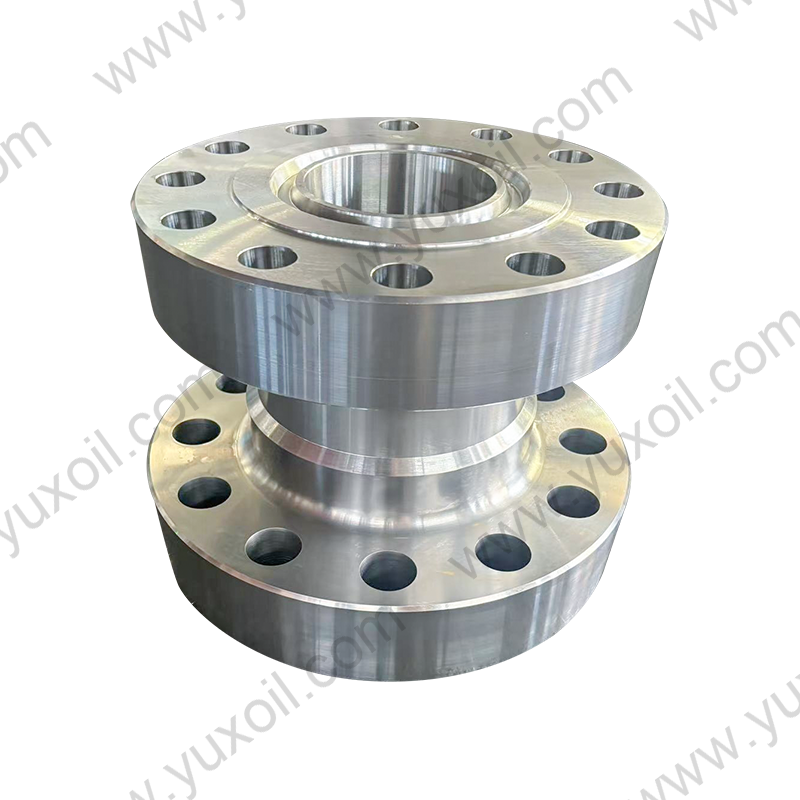
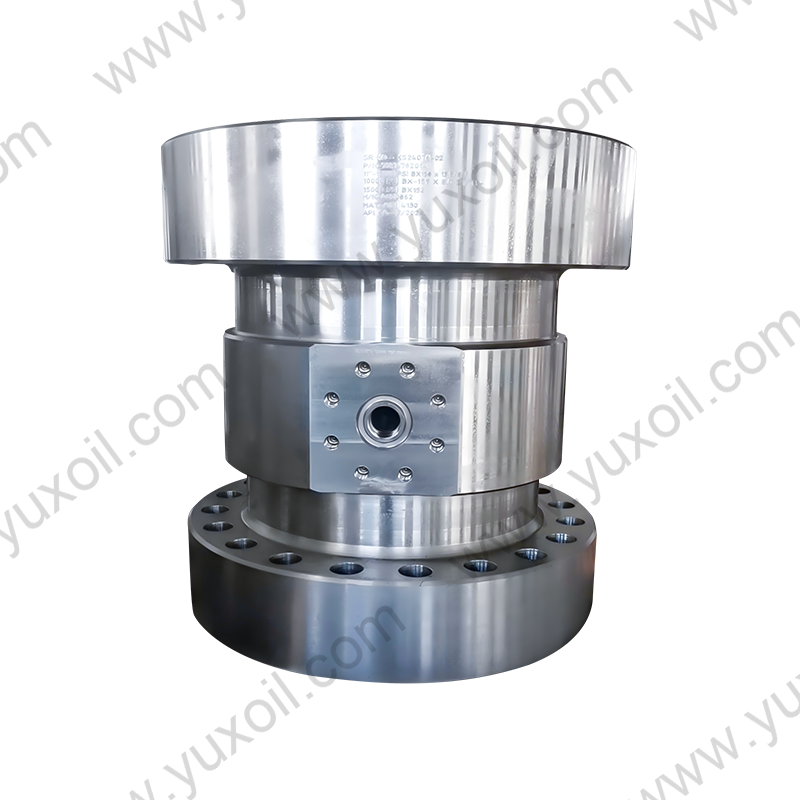
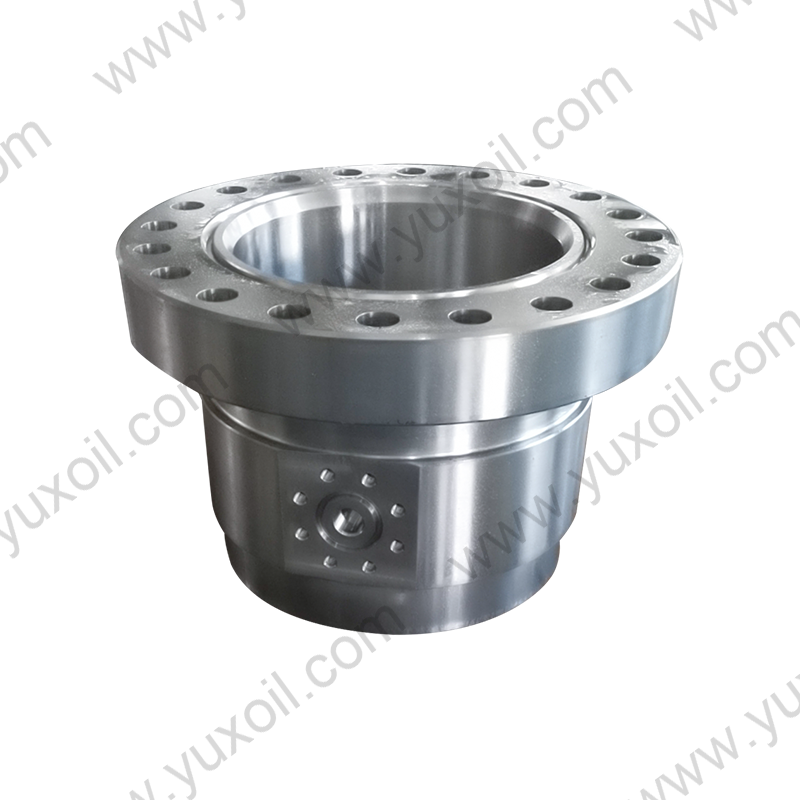
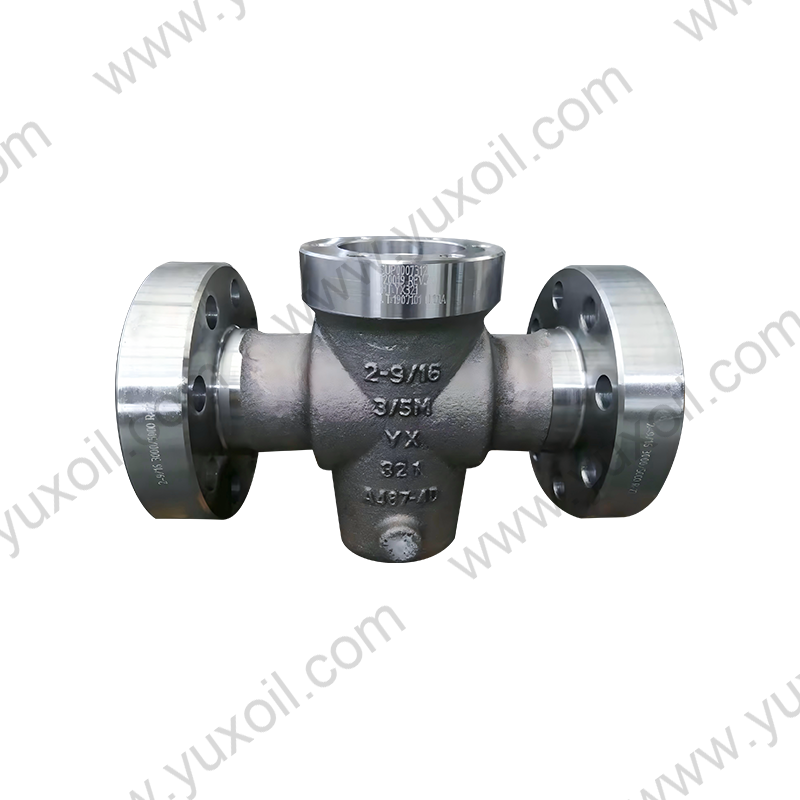
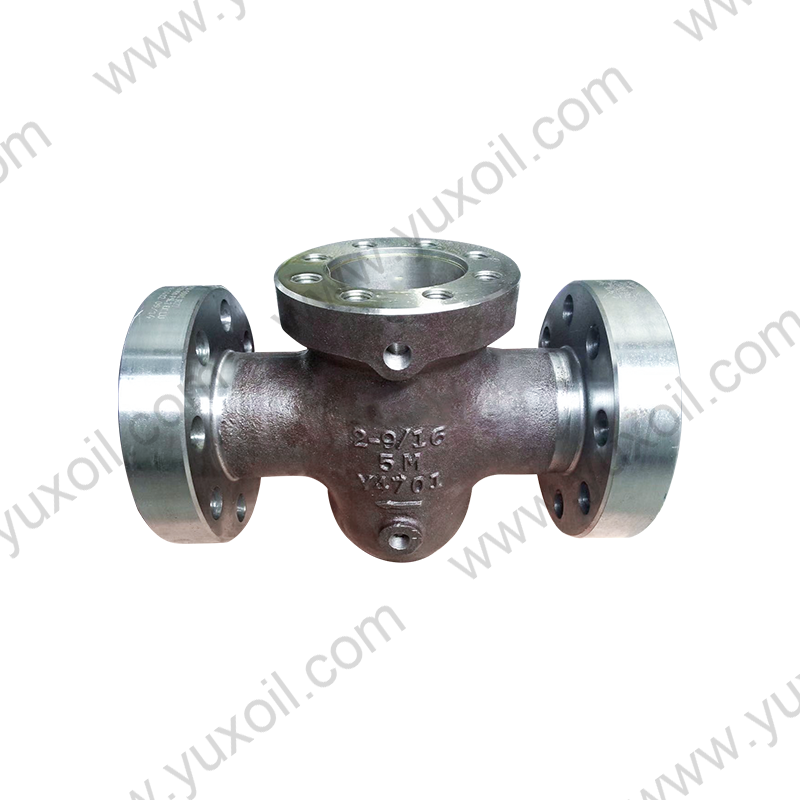
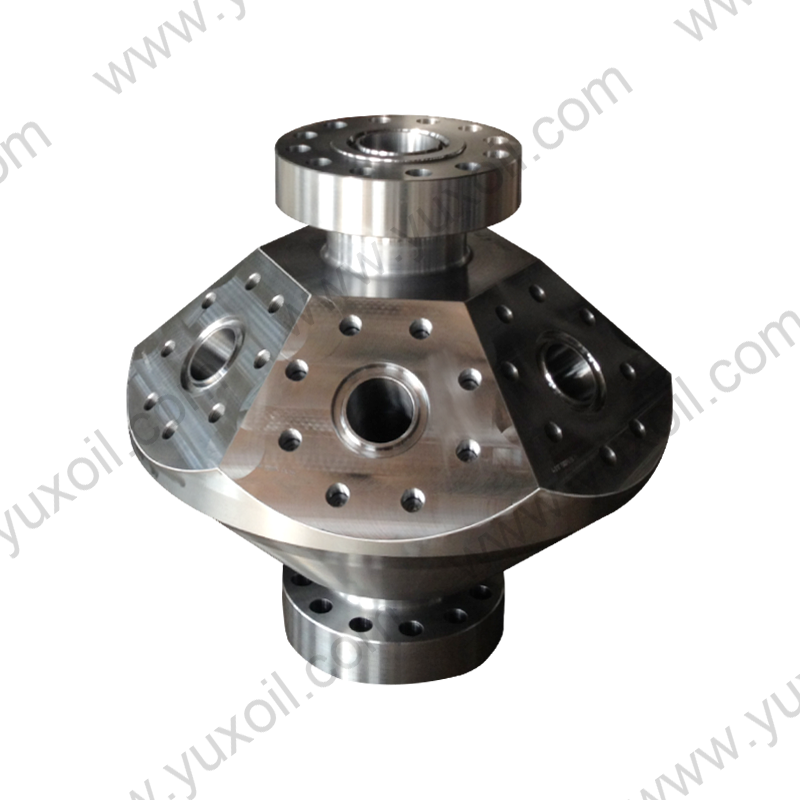
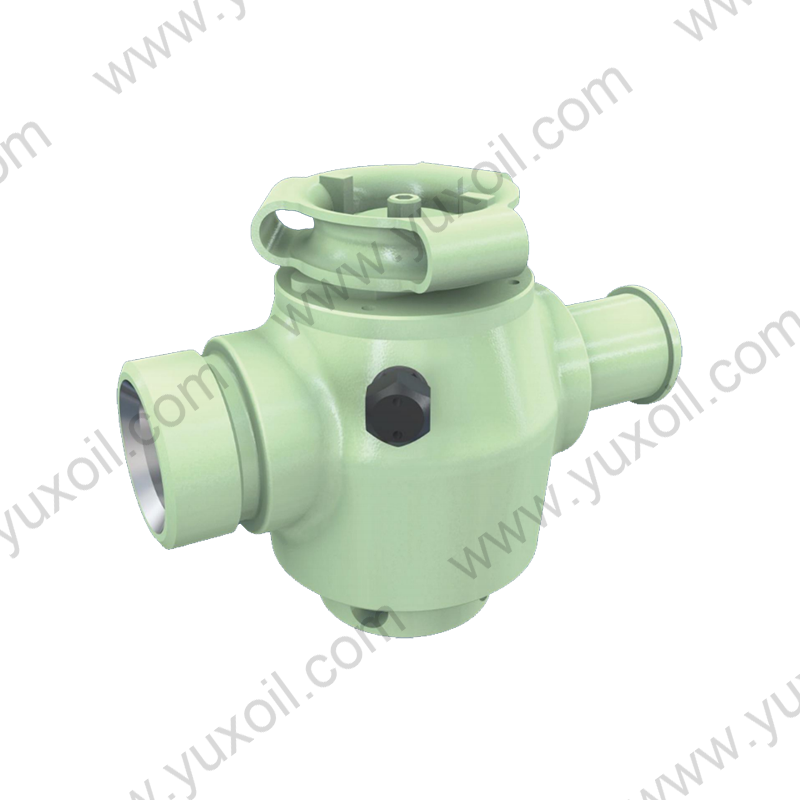
A high pressure oilfield valve is a flow-control device engineered to contain and regulate extreme wellbore pressures — typically rated from 2,000 PSI up to 20,000 PSI under the API 6A standard — built from forged alloy steel with pressure-tested seals capable of handling both the high pressure and the corrosive, abrasive fluids found in oil and gas production. These valves work by using a gate, ball, or plug mechanism to open, close, or throttle the flow path within a pipeline or wellhead, and they're used at nearly every stage of oil and gas operations: at the wellhead itself, along gathering and pipeline systems, in blowout preventer stacks, and within choke manifolds that manage pressure during drilling and production.
Standard industrial valves used in water or general process piping are typically rated well under 1,500 PSI, since most municipal and commercial systems never approach the pressures found downhole. Oil and gas wells are a different situation entirely: reservoir pressures can exceed 10,000 PSI in deep or high-pressure/high-temperature (HPHT) wells, and equipment at the surface must safely contain that pressure with a wide safety margin.
This is why oilfield valves are built to the API 6A specification, the industry standard covering wellhead and Christmas tree equipment, which defines pressure classes, material requirements, and testing procedures far more rigorous than general industrial valve standards.
API 6A organizes valve pressure ratings into a set of standardized classes, making it easier for engineers to match equipment across an entire wellsite.
| API Class | Rated Working Pressure | Typical Application |
|---|---|---|
| 2,000 | 2,000 PSI | Low-pressure surface flowlines |
| 3,000 / 5,000 | 3,000–5,000 PSI | Standard onshore wellheads |
| 10,000 | 10,000 PSI | Deeper wells, offshore platforms |
| 15,000 / 20,000 | 15,000–20,000 PSI | HPHT wells, deepwater drilling |
Regardless of type, most oilfield valves share a common operating principle: a mechanical element inside the valve body physically blocks or opens the flow path, and metal-to-metal or elastomer seals maintain a pressure-tight seal on either side of that element even under extreme differential pressure.
High pressure valves appear at nearly every critical point of an oil or gas well's surface equipment, each serving a distinct function.
Material selection depends on the pressure rating, temperature, and the corrosive properties of the produced fluid, which often contains hydrogen sulfide (H2S), CO2, or high salinity brine.
Confirm the valve's API 6A pressure class matches or exceeds your well's maximum anticipated surface pressure (MASP), and check the material's temperature rating range, since some alloys lose strength significantly above certain thresholds.
If the well produces H2S above the threshold defined in NACE MR0175/ISO 15156, valve materials must be certified for sour service to prevent hydrogen embrittlement and sulfide stress cracking failures.
Oilfield valves connect via flanged, threaded, or hub-style connections; flanged connections dominate at higher pressure classes since they provide a more robust, verifiable seal under extreme loading.
Before installation, high pressure oilfield valves undergo rigorous factory acceptance testing, including hydrostatic shell testing at 1.5 times the rated working pressure and seat leakage testing to confirm zero-leak sealing at rated pressure. Valves used in critical well control applications, such as BOP stacks, require additional certification and periodic re-testing throughout their service life, often on a schedule tied to regulatory requirements in the operating jurisdiction.
A high pressure oilfield valve exists to safely contain and control the extreme pressures generated by oil and gas wells, using forged alloy construction and API 6A-rated designs ranging from 2,000 to 20,000 PSI. From wellhead Christmas trees to choke manifolds and frac trees, these valves are the mechanical backbone of well control — and matching pressure rating, material, and sour-service compliance to the specific well conditions is what keeps that control reliable under real-world downhole pressures.
Recommended Products
 No. 161, Yanhe Middle Road, Yanhe Town, Jianhu County, Yancheng City, Jiangsu Province, China
 +86-13961903990
 +86-515-86598285
 +86-515-86590688
Copyright © Jianhu Yuxiang Machinery Manufacturing Co., Ltd. All Rights Reserved.
 Login Wholesale High Pressure Wellhead/Drilling Equipment Manufacturer

 English
 русский
 Español