-

+86-13961903990

+86-13961903990
Industry News
 Home / News / Industry News / What Are the Main Types of Oilfield Plug Valves Used in the Oil and Gas Industry?
  2026.03.16
 Industry News
Content
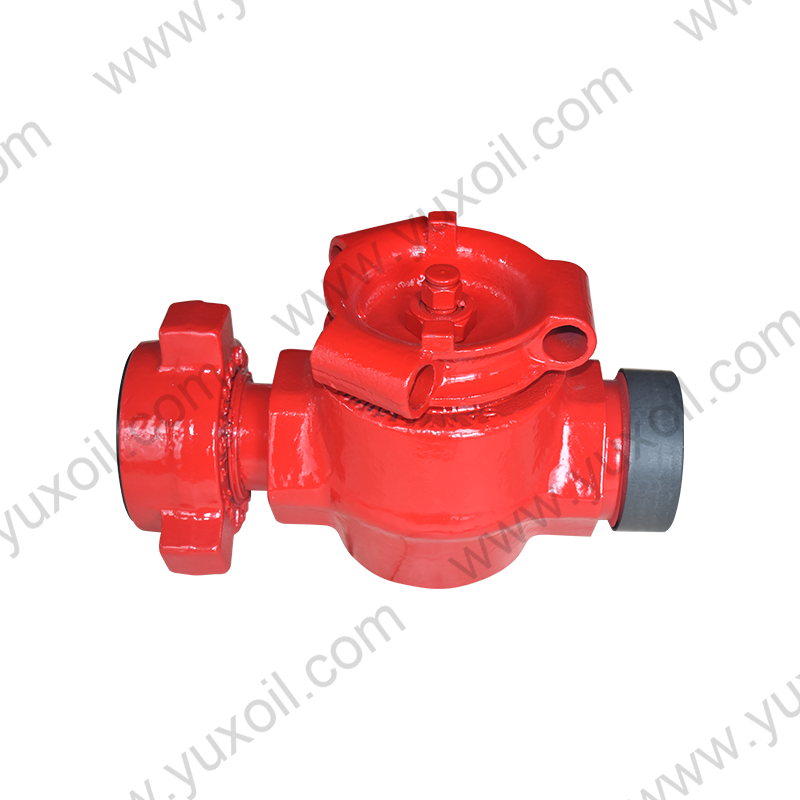
Lubricated plug valves are one of the most widely used oilfield plug valves in the oil and gas industry, especially in high-pressure and high-temperature environments such as drilling systems, wellhead equipment, and fracturing lines. These valves are designed with a lubrication system that injects a special sealant between the plug and the valve body. This lubricant forms a sealing film that reduces friction and enhances sealing reliability during valve operation.
The key characteristic of a lubricated plug valve is the presence of lubrication channels and a sealant injection system. During operation, the lubricant is injected through a fitting located on the valve body. The injected sealant spreads across grooves on the plug surface, forming a thin layer that both lubricates the rotating plug and prevents leakage.
This mechanism makes lubricated plug valves highly effective in applications where valves must handle high-pressure oilfield fluids, drilling mud, crude oil, and natural gas. Because the lubricant creates a barrier between metal surfaces, it significantly reduces wear and extends the service life of the valve.
One of the primary reasons lubricated plug valves are widely used in oilfield operations is their ability to maintain a tight seal even under extreme conditions. Oil and gas pipelines, well control systems, and drilling equipment often experience high pressure fluctuations and harsh operating environments. The lubricated plug valve provides reliable shutoff performance in such conditions.
Additionally, lubricated plug valves offer excellent resistance to corrosion and erosion, especially when equipped with high-quality sealing compounds. Their robust structure also makes them suitable for applications where valves must be operated frequently.
| Feature | Description |
|---|---|
| Sealing Method | Sealant injection lubrication |
| Typical Applications | Drilling systems, wellhead equipment, fracturing lines |
| Pressure Rating | High-pressure oilfield operations |
| Maintenance | Periodic sealant injection required |
Because of their reliability and durability, lubricated plug valves remain a popular choice for companies searching for high-pressure oilfield plug valves, API standard plug valves, and durable drilling control valves.
Non-lubricated plug valves, also known as sleeved plug valves, are designed to eliminate the need for sealant injection. Instead of using lubrication grease, these valves utilize a special sleeve or liner made from materials such as PTFE, elastomers, or other low-friction polymers. This sleeve creates a seal between the plug and the valve body while also allowing smooth rotation.
The sleeve inside the valve body acts as both a sealing element and a friction-reducing component. When the plug rotates, the sleeve compresses slightly against the plug surface, creating a tight seal that prevents leakage. Because the sleeve material has low friction properties, the valve requires less torque to operate.
This design makes non-lubricated plug valves ideal for applications where frequent maintenance is not practical. Many oil and gas facilities prefer sleeved plug valves for pipeline transportation systems, processing plants, and auxiliary fluid control systems.
One of the major advantages of non-lubricated plug valves is their low maintenance requirement. Since there is no need to inject lubricant, operators can reduce maintenance costs and minimize downtime. This is especially important in remote oilfield locations where access to equipment may be limited.
Another benefit is the elimination of potential contamination caused by lubricants. In some oil and gas processing operations, maintaining fluid purity is essential. Sleeved plug valves help maintain clean fluid systems while still providing reliable flow control.
| Feature | Description |
|---|---|
| Sealing Method | PTFE or elastomer sleeve |
| Typical Applications | Pipeline systems, gas processing plants |
| Operating Torque | Low torque operation |
| Maintenance | Minimal maintenance required |
For companies searching online for low-maintenance oilfield plug valves, PTFE sleeved plug valves, or corrosion-resistant pipeline valves, the non-lubricated plug valve is often considered a practical and cost-effective solution.
Eccentric plug valves are specially designed to handle fluids that contain solid particles, slurry, or abrasive materials. In oilfield environments, fluids often contain sand, drilling debris, and other particles that can damage traditional valves. The eccentric plug valve addresses this issue by using an offset plug design that minimizes direct contact between sealing surfaces during operation.
Unlike conventional plug valves, the plug in an eccentric plug valve is slightly offset from the valve seat. When the valve begins to open, the plug moves away from the seat before rotating. This motion reduces friction and prevents excessive wear on sealing surfaces.
Because of this design, eccentric plug valves are well suited for applications involving drilling mud systems, produced water treatment, and oilfield wastewater management. The ability to handle abrasive media makes them highly valuable in upstream oil and gas operations.
The reduced friction and wear characteristics of eccentric plug valves contribute to longer service life. Oilfield equipment must often operate continuously under demanding conditions, and valve failure can lead to costly downtime. By minimizing wear on critical components, eccentric plug valves help maintain reliable operation.
Additionally, these valves require less operating torque compared to traditional designs, which makes them easier to automate or integrate into remote control systems used in modern oilfield facilities.
| Feature | Description |
|---|---|
| Design | Offset plug design |
| Typical Applications | Slurry, drilling mud, produced water |
| Wear Resistance | High resistance to abrasive fluids |
| Service Life | Long operational lifespan |
Because of these advantages, eccentric plug valves are frequently searched online by engineers looking for abrasion-resistant oilfield valves, slurry control valves, and heavy-duty plug valves for drilling operations.
Expanding plug valves represent a more advanced type of oilfield plug valve designed to provide zero-leakage sealing and high-integrity isolation. These valves use a mechanical expansion mechanism that presses sealing surfaces tightly against the valve body when the valve is closed.
In an expanding plug valve, the plug assembly consists of two segments. When the valve closes, the segments expand outward against the valve body and seats. This mechanical expansion creates a strong sealing force that does not rely solely on pipeline pressure.
This feature makes expanding plug valves ideal for critical oilfield systems where leakage cannot be tolerated. Applications include pipeline isolation, emergency shutdown systems, wellhead control equipment, and oil transmission lines.
One of the key benefits of expanding plug valves is their ability to provide bubble-tight shutoff in both directions. This bidirectional sealing capability improves system safety and helps prevent product loss. In high-value oil and gas transportation systems, even small leaks can result in significant financial and environmental consequences.
Additionally, the expanding mechanism reduces wear on sealing surfaces because the plug does not scrape against the seat during rotation. This design significantly extends the valve’s service life.
| Feature | Description |
|---|---|
| Sealing Method | Mechanical expansion sealing |
| Typical Applications | Pipeline isolation, wellhead systems |
| Leakage Performance | Zero leakage / bubble tight |
| Safety Level | High-integrity isolation |
As the oil and gas industry continues to focus on operational safety and environmental protection, expanding plug valves are increasingly chosen by operators searching for high-performance oilfield plug valves, pipeline isolation valves, and API standard oil and gas valves.
An oilfield plug valve is used to control or isolate the flow of fluids such as crude oil, natural gas, drilling mud, and produced water. These valves are commonly installed in drilling systems, wellhead equipment, and pipeline networks because they provide quick shutoff and reliable sealing performance.
Plug valves are preferred in many oilfield applications because of their simple structure, fast operation, and ability to handle high pressure. Their quarter-turn operation allows operators to quickly open or close the valve, which is essential in emergency situations or high-pressure drilling environments.
Oilfield plug valves are typically manufactured from materials such as carbon steel, alloy steel, and stainless steel. In severe service environments, additional coatings or corrosion-resistant alloys may be used to improve durability and extend the valve's operational lifespan.
While both plug valves and ball valves provide quarter-turn operation, plug valves are often preferred in oilfield applications that involve abrasive fluids or high-pressure conditions. Their robust design and strong sealing capability make them suitable for demanding environments.
American Petroleum Institute (API) – Valve Standards for Oil and Gas Industry
Petroleum Engineering Handbook – Society of Petroleum Engineers (SPE)
Flow Control Handbook – Industrial Valve Design and Applications
Oil & Gas Journal – Valve Technologies in Upstream Operations
 No. 161, Yanhe Middle Road, Yanhe Town, Jianhu County, Yancheng City, Jiangsu Province, China
 +86-13961903990
 +86-515-86598285
 +86-515-86590688
Copyright © Jianhu Yuxiang Machinery Manufacturing Co., Ltd. All Rights Reserved.
 Login Wholesale High Pressure Wellhead/Drilling Equipment Manufacturer

 English
 русский
 Español