-

+86-13961903990

+86-13961903990
Industry News
 2026.03.23
 Industry News
Content
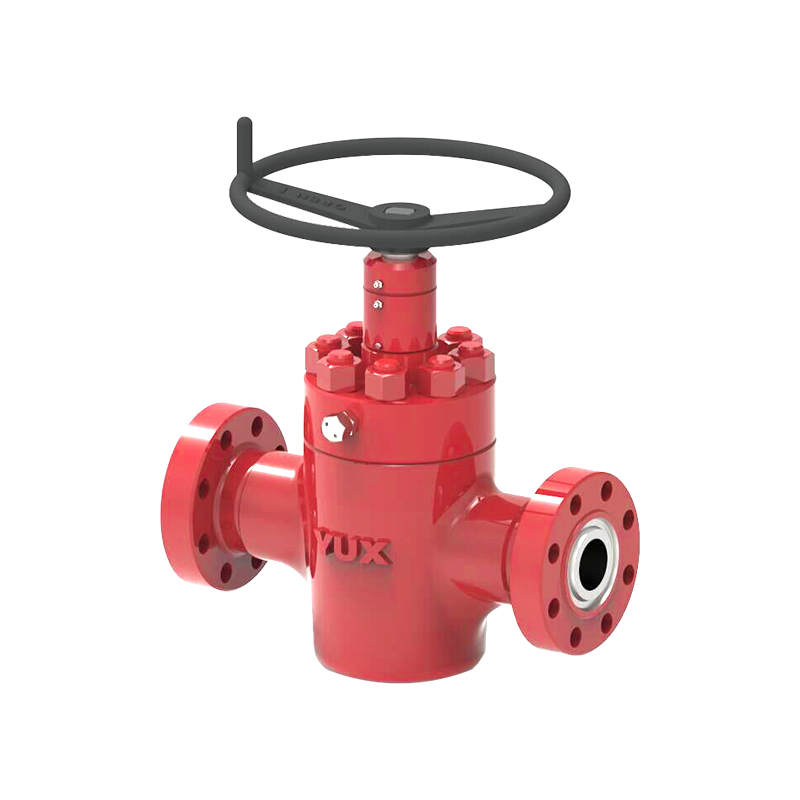
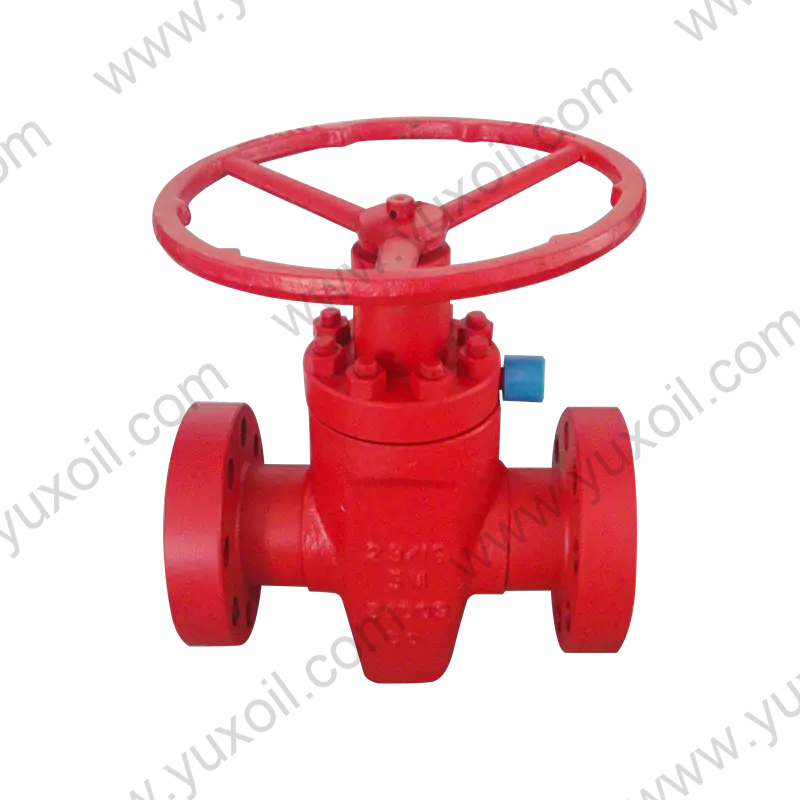
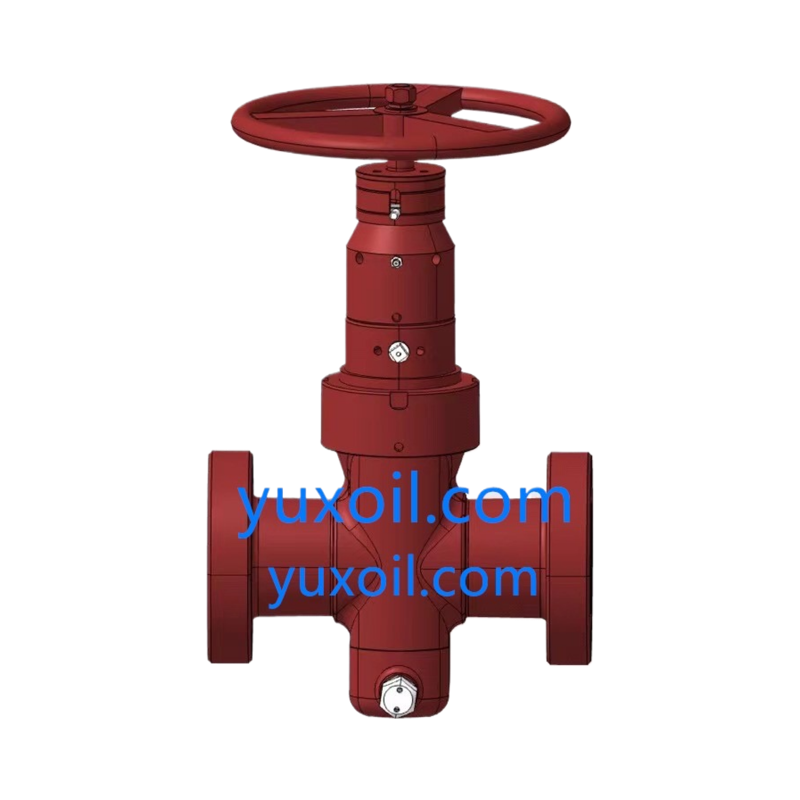
In the upstream oil and gas industry, valves installed in wellhead systems and production pipelines must operate reliably under extremely demanding conditions. Among these components, the API 6A Gate Valve plays a critical role in controlling high-pressure fluid flow and ensuring safe production operations. Designed according to the strict requirements of the American Petroleum Institute’s API 6A specification, these valves are widely used in wellhead equipment, Christmas tree assemblies, choke and kill manifolds, and high-pressure drilling systems.
However, even the most durable API 6A gate valve requires a well-structured maintenance strategy to ensure long-term performance. Exposure to high pressure, temperature fluctuations, corrosive fluids, and abrasive particles can gradually affect valve components. Without proper inspection, lubrication, and preventive servicing, issues such as seal degradation, seat damage, or operational stiffness may develop, potentially leading to system failures.
For oilfield operators, implementing a proper API 6A gate valve maintenance program helps extend service life, reduce downtime, and improve operational safety. Regular maintenance ensures that the valve maintains its pressure integrity and shutoff capability even in harsh oilfield environments. In the following sections, we will explore detailed maintenance strategies, inspection procedures, and best practices that help ensure the long-term reliability of API 6A gate valves in demanding oil and gas applications.
API 6A gate valves are designed to operate in some of the most challenging environments within the oil and gas industry. These valves are commonly installed in wellhead control systems, oilfield manifolds, high-pressure pipelines, and production flowlines. Because they directly control the flow of hydrocarbons under extreme pressure, their reliability is critical to both operational efficiency and workplace safety.
Routine maintenance helps ensure that every internal and external component continues to perform according to API 6A standards. Key components such as the valve gate, seats, stem, seals, and bonnet must remain in optimal condition to guarantee proper sealing and smooth operation. If these components wear excessively or become damaged, the valve may fail to isolate pressure properly, potentially causing hazardous leaks or system instability.
Regular inspection programs allow technicians to identify early warning signs such as corrosion, surface wear, lubrication loss, or abnormal mechanical resistance. Addressing these issues before they escalate into serious failures is one of the most effective ways to maintain safe oilfield operations.
In large-scale oil and gas production facilities, unexpected equipment failure can lead to costly downtime and reduced production output. When a critical valve fails, the entire system may need to be temporarily shut down for repair or replacement. This not only increases operational costs but may also disrupt production schedules.
Preventive maintenance helps avoid these problems by ensuring that API 6A gate valves remain in good working condition. A well-planned maintenance schedule allows operators to replace worn components before they fail, significantly reducing emergency repair costs. Over time, this proactive approach improves equipment reliability and lowers total maintenance expenses for oilfield operators.
The first step in maintaining an API 6A gate valve is performing routine visual inspections. Maintenance personnel should carefully examine the valve body, bonnet, flange connections, and actuator mechanisms for visible signs of damage. Common issues include corrosion, paint degradation, loose bolts, or small fluid leaks around seals and connections.
Visual inspections should be conducted regularly, especially in harsh environments where exposure to saltwater, drilling fluids, or extreme temperatures may accelerate equipment wear. Early detection of minor issues allows technicians to take corrective action before more serious problems occur.
Leak detection is another critical aspect of API 6A valve maintenance. Sealing elements such as packing seals and seat rings are responsible for maintaining pressure containment. Over time, these components may degrade due to mechanical wear or chemical exposure.
Operators should monitor for any signs of leakage around the valve stem or flange connections. Even small leaks can indicate seal damage that may eventually compromise the valve’s pressure integrity. Replacing worn seals promptly ensures that the valve continues to meet strict oilfield safety requirements.
Routine functional testing is also essential for maintaining reliable valve operation. During inspection, the valve should be opened and closed to ensure smooth movement of the gate and stem assembly. Any unusual resistance, vibration, or irregular movement may indicate internal component wear or debris buildup within the valve chamber.
Regular operational testing ensures that the valve will respond correctly during critical situations such as emergency shutdowns or pressure isolation procedures.
Lubrication is a key factor in maintaining the long-term performance of API 6A gate valves. Proper lubrication reduces friction between moving parts such as the valve stem, gate, and seat surfaces. This helps maintain smooth operation and prevents excessive mechanical wear.
In high-pressure oilfield environments, valves may operate under heavy loads and extreme temperature conditions. Without proper lubrication, metal components may experience increased friction, leading to premature wear or operational failure. Applying suitable lubricants according to manufacturer recommendations helps protect internal components and extend valve lifespan.
Most API 6A gate valves are equipped with lubrication fittings that allow technicians to inject grease or specialized valve lubricant directly into the stem or sealing areas. Maintenance teams should follow manufacturer guidelines when selecting lubricants and performing lubrication procedures.
Proper lubrication intervals may vary depending on operating pressure, fluid composition, and environmental conditions. In general, regular lubrication ensures that internal surfaces remain protected from corrosion and friction-related damage.
| Maintenance Activity | Recommended Frequency | Maintenance Purpose |
|---|---|---|
| Visual inspection | Weekly or monthly | Detect corrosion, leaks, and structural damage |
| Lubrication | Monthly or based on operating cycles | Reduce friction and protect internal components |
| Seal inspection | Quarterly | Ensure reliable sealing performance |
| Comprehensive maintenance | Annually | Inspect internal components and replace worn parts |
Oilfield environments often contain sand, drilling particles, and other contaminants that may enter the valve system during operation. Over time, these particles can accumulate within the valve chamber and affect the smooth movement of the gate or damage sealing surfaces.
Regular cleaning procedures help prevent debris buildup and maintain proper valve function. Technicians should remove external contaminants and ensure that protective covers and seals remain intact.
In some cases, internal flushing may be required to remove accumulated deposits or contaminants. Flushing the valve system with appropriate cleaning fluids helps restore internal cleanliness and maintain optimal operating conditions. Maintenance teams should follow recommended procedures to avoid damaging sensitive valve components.
Seals and seats are among the most important components in an API 6A gate valve. They ensure proper shutoff and pressure containment within the system. Over time, these components may wear due to repeated operation, pressure fluctuations, or abrasive fluid exposure.
Common signs of seal wear include leakage, difficulty achieving full shutoff, or irregular valve movement. Regular inspection helps identify these issues before they lead to system failure.
When replacing worn seals or seats, it is essential to use components that meet API 6A specifications. Certified replacement parts ensure compatibility with the valve design and maintain compliance with industry safety standards. Using high-quality components also helps extend the service life of the valve.
The most effective way to ensure long-term valve reliability is by implementing a preventive maintenance program. This program should include scheduled inspections, lubrication procedures, operational testing, and component replacement when necessary.
Maintenance schedules should be tailored to the specific operating conditions of the facility. Factors such as pressure levels, fluid composition, temperature, and operational frequency all influence maintenance requirements.
Proper training for maintenance personnel is essential for ensuring that API 6A gate valves are serviced correctly. Technicians should be familiar with valve components, maintenance procedures, and safety standards defined by the American Petroleum Institute.
Detailed maintenance records should also be maintained for each valve. These records provide valuable information about service history, component replacements, and inspection results, helping operators make informed decisions about future maintenance.
An API 6A gate valve is primarily used in oil and gas wellhead systems, Christmas tree equipment, and high-pressure production pipelines to control the flow of hydrocarbons under extreme operating conditions.
Routine inspections are typically performed monthly or quarterly depending on operating conditions, while comprehensive maintenance and internal inspections are usually conducted annually.
Common issues include seal wear, corrosion, debris buildup, lubrication failure, and mechanical wear of internal components. Preventive maintenance helps detect and address these problems early.
Preventive maintenance helps ensure safe operation, reduces unexpected downtime, extends equipment lifespan, and maintains compliance with industry safety standards.
 No. 161, Yanhe Middle Road, Yanhe Town, Jianhu County, Yancheng City, Jiangsu Province, China
 +86-13961903990
 +86-515-86598285
 +86-515-86590688
Copyright © Jianhu Yuxiang Machinery Manufacturing Co., Ltd. All Rights Reserved.
 Login Wholesale High Pressure Wellhead/Drilling Equipment Manufacturer

 English
 русский
 Español