-

+86-13961903990

+86-13961903990
Industry News
 Home / News / Industry News / What Are the Key Benefits of Using API 6A Gate Valves in High-Temperature Environments?
  2026.01.12
 Industry News
Content
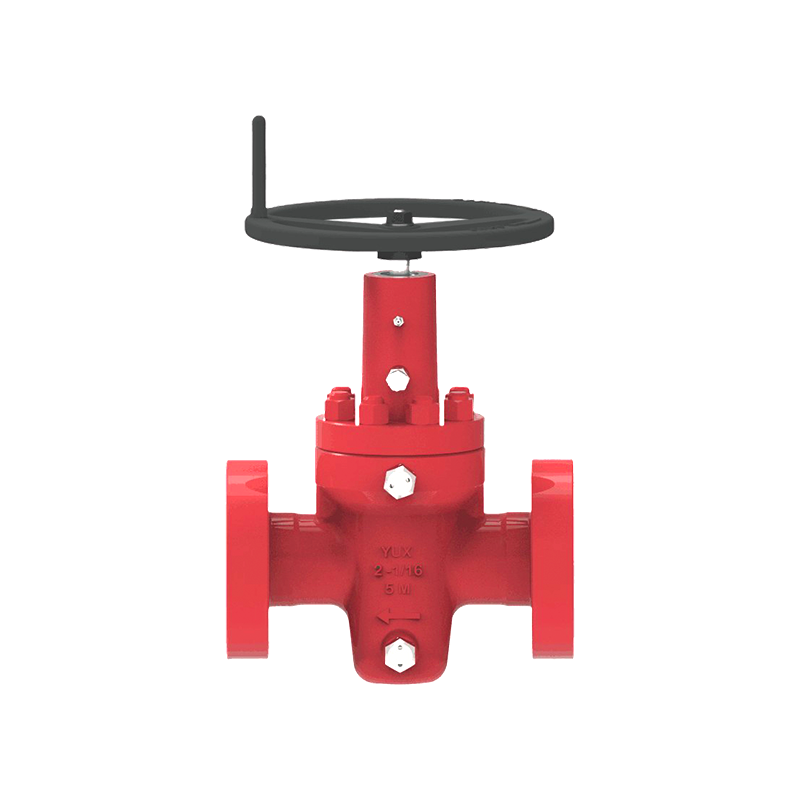
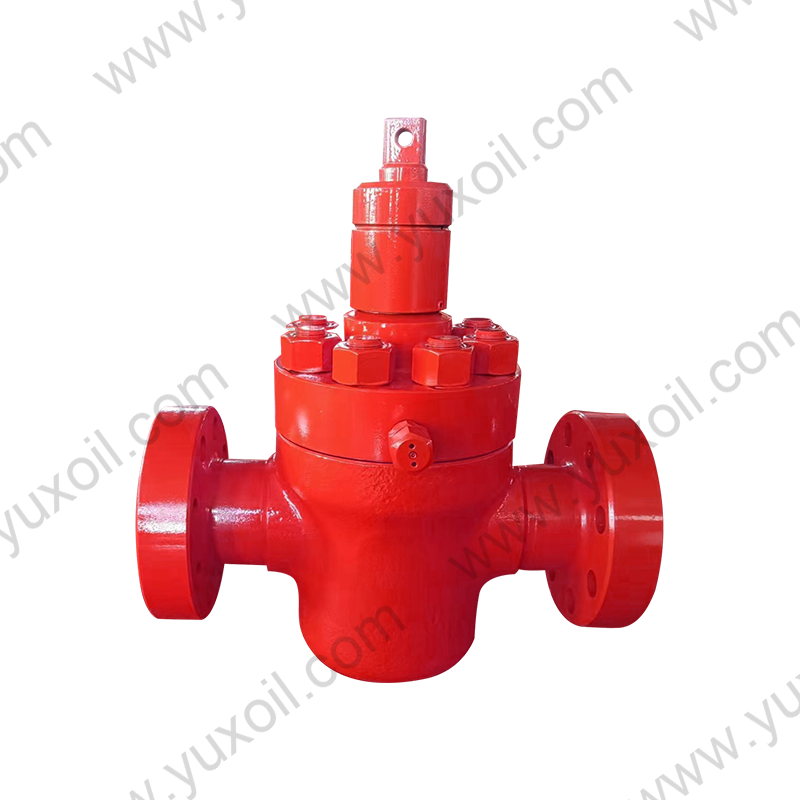
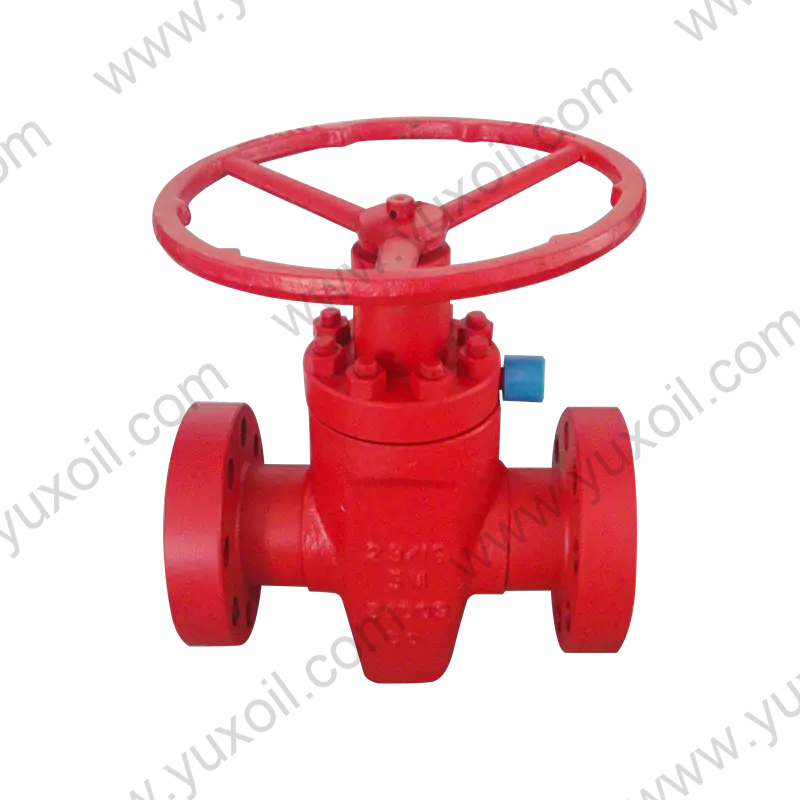
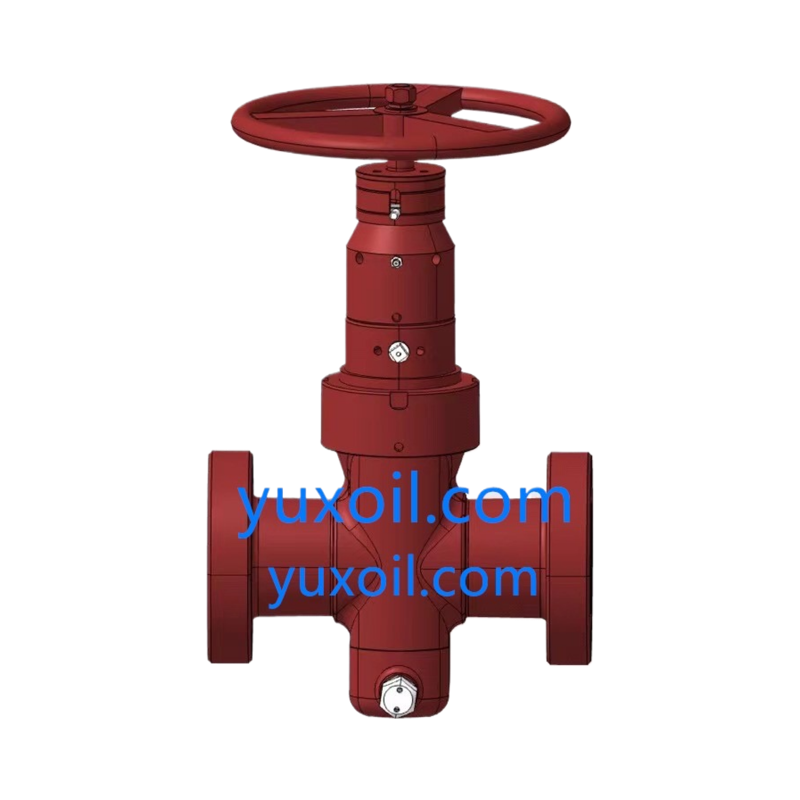
API 6A gate valves are critical components in the oil, gas, and petrochemical industries, especially when operating in high-temperature environments. These valves are specifically designed to regulate the flow of fluids under extreme conditions, including high pressures and temperatures. High-temperature environments, such as those encountered in deep-water drilling, gas production, or steam pipelines, present significant challenges that require highly reliable and durable equipment.
API 6A gate valves are typically made from high-grade materials, such as alloy steels, stainless steels, and other metals, which are known for their excellent performance in high-temperature conditions. The materials used in API 6A gate valves are specifically chosen for their ability to maintain their mechanical properties even when exposed to extreme temperatures, ranging from hundreds to over a thousand degrees Fahrenheit.
At elevated temperatures, metals undergo thermal expansion, which can compromise the integrity of many components. However, the materials used in API 6A valves are engineered to withstand these stresses without deforming, cracking, or failing. This ensures that the valve continues to perform at its best in high-temperature operations, such as in geothermal power plants, offshore drilling platforms, or natural gas production fields.
Moreover, the alloy materials used in API 6A gate valves are often resistant to heat-induced fatigue, which allows them to endure the long operational hours typical in high-temperature environments without degradation of function.
High temperatures can cause significant challenges for valve seals. The temperature-induced expansion and contraction of components can lead to poor sealing performance, resulting in leaks or inefficient operation. However, API 6A gate valves are designed to withstand these conditions with advanced sealing technologies.
These valves use metal-to-metal seals or elastomeric seals, both of which are well-suited for high-temperature environments. Metal-to-metal seals, for instance, are resistant to thermal degradation and can maintain their integrity even at extreme temperatures. Similarly, elastomeric seals made from high-performance materials such as Viton or fluoropolymers offer excellent thermal stability and can effectively handle temperature fluctuations without compromising sealing capability.
High-pressure systems, like those found in oil and gas drilling operations, often operate alongside high-temperature conditions, creating a compounded challenge for valve performance. API 6A gate valves are designed to function optimally under both high pressure and extreme temperature conditions, which is crucial for many applications in the oil, gas, and petrochemical industries.
These valves are engineered to handle the high-pressure demands of deep-water drilling rigs or wellhead systems, where pressure can exceed thousands of psi (pounds per square inch). This high pressure, combined with elevated temperatures, requires a valve that can resist deformation, leaks, and damage. The robust design and choice of materials in API 6A gate valves allow them to maintain their integrity and continue functioning effectively, even under these extreme conditions.
Additionally, the valves are equipped with pressure-relieving features that help to manage pressure surges and minimize the risk of system failure. In combination with their temperature resistance, API 6A gate valves provide an all-encompassing solution to managing both temperature and pressure in critical systems.
| Feature | Benefit |
|---|---|
| Material Strength | High durability, resistant to thermal expansion and deformation under extreme temperatures |
| Sealing Performance | Reliable sealing through metal-to-metal or elastomeric seals that prevent leaks and maintain pressure |
| Pressure Resistance | Able to handle both high-pressure and high-temperature environments, ensuring optimal performance |
High-temperature environments often involve the exposure of valves to corrosive substances, including sulfur, hydrogen sulfide (H2S), and other chemicals. These substances can accelerate corrosion and wear, which can compromise the performance of valves if they are not made with corrosion-resistant materials. API 6A gate valves are built with materials and coatings that resist corrosion, even in the most extreme conditions.
These valves are often coated with anti-corrosion layers or made from corrosion-resistant alloys like duplex stainless steel, which can withstand the harsh conditions found in oil and gas exploration, particularly in subsea environments. In addition, the high heat resistance of API 6A gate valves helps to prevent oxidation, a common cause of corrosion in high-temperature applications.
Safety is a critical concern in high-temperature operations, and API 6A gate valves contribute significantly to ensuring safe operations in these environments. These valves are designed to handle extreme conditions without compromising their structural integrity. Their robust construction ensures that they can reliably control fluid flow and pressure, even in the harshest conditions, preventing accidents such as leaks, explosions, or system failures.
The safety features in API 6A gate valves include pressure relief mechanisms, safety locks, and the ability to perform under emergency shutdown conditions. The valves are also designed to operate smoothly and predictably, which minimizes the risk of human error during operation.
Q1: What are API 6A gate valves made of?
API 6A gate valves are typically made of high-strength materials such as alloy steels, stainless steels, and corrosion-resistant alloys, specifically designed for high-temperature and high-pressure environments.
Q2: How do API 6A gate valves compare to other valve types?
API 6A gate valves are specifically engineered for high-pressure and high-temperature conditions, making them more robust and reliable than other valve types that may not be able to withstand these harsh environments.
Q3: What industries use API 6A gate valves?
API 6A gate valves are primarily used in the oil and gas industry, particularly in offshore drilling, wellhead systems, and natural gas production, where high-pressure and high-temperature conditions are common.
Q4: How do I maintain an API 6A gate valve?
Regular inspections, cleaning, and lubrication of moving parts are essential for maintaining an API 6A gate valve. Additionally, checking for seal wear and replacing seals when necessary will help extend the valve’s lifespan.
 No. 161, Yanhe Middle Road, Yanhe Town, Jianhu County, Yancheng City, Jiangsu Province, China
 +86-13961903990
 +86-515-86598285
 +86-515-86590688
Copyright © Jianhu Yuxiang Machinery Manufacturing Co., Ltd. All Rights Reserved.
 Login Wholesale High Pressure Wellhead/Drilling Equipment Manufacturer

 English
 русский
 Español