-

+86-13961903990

+86-13961903990
Industry News
 Home / News / Industry News / How Does a High Pressure Oilfield Valve Ensure Safety in Oilfield Operations?
  2026.01.19
 Industry News
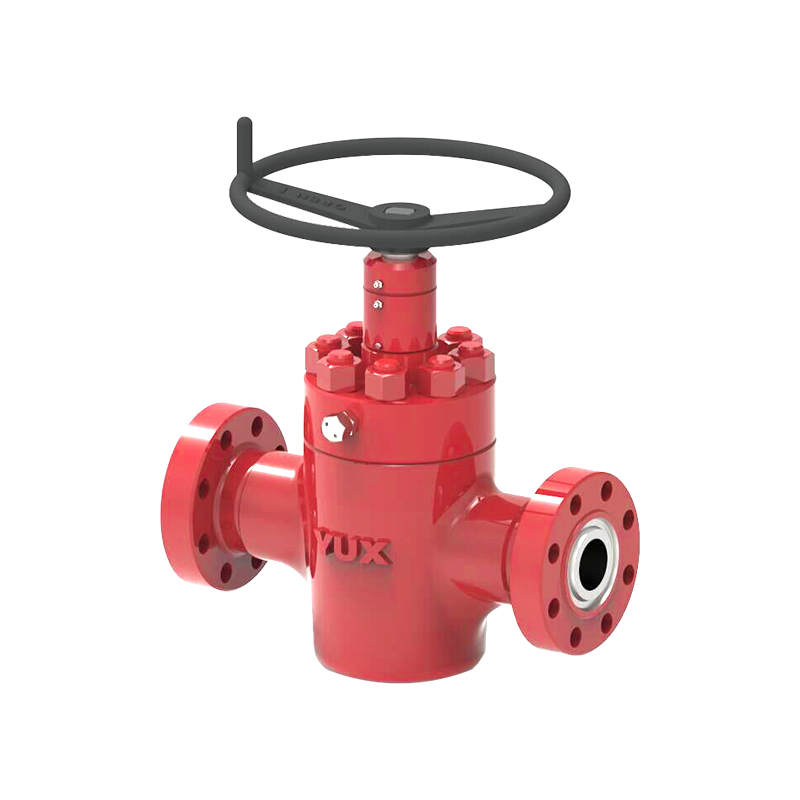
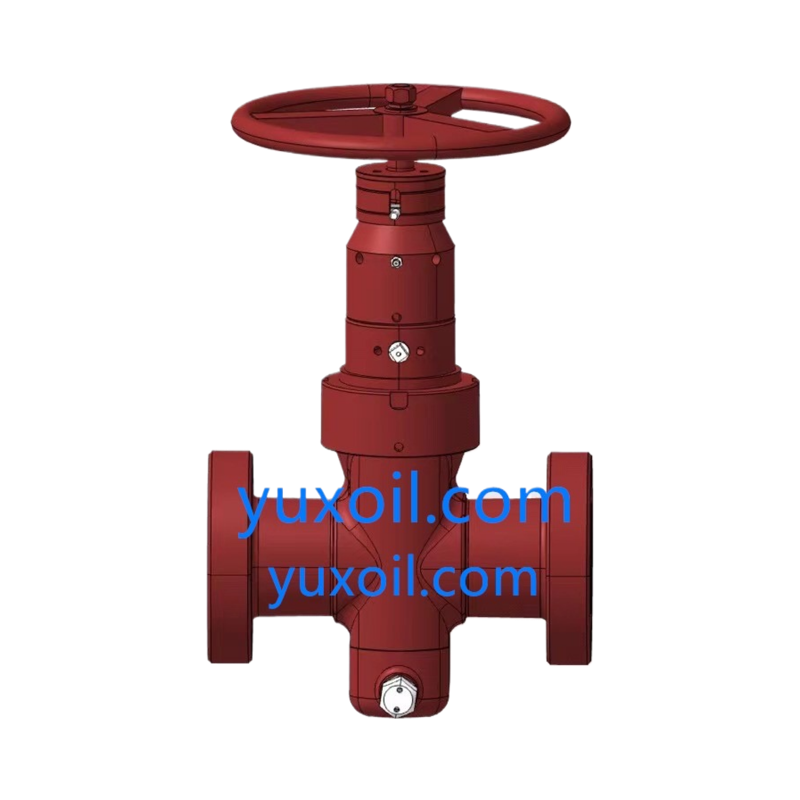
High pressure oilfield valves are engineered to handle extreme pressures and harsh operating conditions in oil and gas operations. They are crucial in controlling the flow of fluids, isolating sections of pipelines, and ensuring overall system safety. The key features of these valves include high pressure resistance, corrosion resistance, precise flow control, and reliable sealing mechanisms. Advanced materials and designs allow these valves to maintain integrity under pressures exceeding 15,000 psi, preventing catastrophic leaks and ensuring long-term operational reliability.
These valves typically include features such as blowout-proof stems, double or triple sealing systems, and robust actuators for manual or automated control. The design also accommodates temperature fluctuations and chemical exposure common in oilfield environments. Additionally, high-pressure valves often include fail-safe mechanisms that automatically shut off or regulate flow in emergency scenarios, reducing the risk to both personnel and equipment.
| Feature | Description | Benefit | Typical Application |
|---|---|---|---|
| Material Strength | Stainless steel, alloy steel, or carbon steel | High pressure and corrosion resistance | Offshore wells, pipelines |
| Sealing System | Double/triple O-rings or metal-to-metal seats | Prevent leakage | High-pressure valves in production lines |
| Actuation | Manual, pneumatic, or electric actuators | Precise control and remote operation | Subsea valves, wellheads |
| Pressure Rating | Up to 15,000 psi or more | Safety under extreme conditions | Oilfield drilling and production |
Regular inspection and maintenance are critical to preserving the key features of high pressure oilfield valves. Routine checks include pressure testing, leak detection, and functional verification of actuators and seals. In modern operations, digital monitoring systems can track valve performance, alerting operators to abnormal conditions before failures occur. This proactive approach ensures operational safety, reduces downtime, and extends the lifespan of the valve.
Q1: What distinguishes high-pressure valves from standard valves?
High-pressure valves are designed to withstand extreme pressures, often with reinforced materials and multiple sealing systems, unlike standard valves used in lower-pressure systems.
Q2: How often should high-pressure valves be maintained?
Maintenance intervals depend on operational conditions but typically involve semi-annual inspections and annual full-service testing.
Q3: Can these valves operate automatically?
Yes, many high-pressure valves are equipped with actuators for remote control and emergency shutoff.
Q4: What industries commonly use high-pressure oilfield valves?
They are used in upstream oil and gas production, offshore drilling platforms, pipelines, and subsea operations.
 No. 161, Yanhe Middle Road, Yanhe Town, Jianhu County, Yancheng City, Jiangsu Province, China
 +86-13961903990
 +86-515-86598285
 +86-515-86590688
Copyright © Jianhu Yuxiang Machinery Manufacturing Co., Ltd. All Rights Reserved.
 Login Wholesale High Pressure Wellhead/Drilling Equipment Manufacturer

 English
 русский
 Español