-

+86-13961903990

+86-13961903990
Industry News
 Home / News / Industry News / Types of Valves in the Oil and Gas Industry: A Practical API 6A Selection Guide
  2026.09.28
 Industry News
Content
Fitting a valve into an oil and gas wellhead is not simply about finding a component that looks robust enough. It is about matching the valve's sealing geometry, pressure rating, and material selection to the actual fluid, temperature, and operating cycle. In many cases, the difference between a valve that lasts five years and one that needs repair after six months comes down to two decisions: the type of valve and the standard it is built to. Among the most widely specified standards for wellhead service is API 6A, which governs gate valves, plug valves, and the equipment they connect to.
Oil and gas production involves high-pressure fluids containing sand, gas, dissolved solids, and sometimes corrosive agents. A valve that works well on a water injection line may fail quickly when exposed to fracturing slurry or sour gas. The three variables that decide failure or success are differential pressure, media characteristics, and the number of operating cycles.
For example, a slab gate valve can provide a dependable shut-off in a Christmas tree, where the valve is opened or closed infrequently. But on a fracturing manifold that cycles repeatedly, the same valve may develop seat wear or stem packing leakage. That is why procurement teams must specify not just a pressure class such as 5,000 psi or 10,000 psi, but also the API 6A temperature class, material class, and product specification level (PSL). Selecting a valve with the wrong surface hardness or seat material can create a hidden risk that only appears months after installation.
No single valve type covers every wellhead duty. The table below summarizes the common categories and the considerations that matter when you compare them.
| Valve Type | Typical Application | Main Advantage | Selection Attention |
|---|---|---|---|
| Gate Valve | Wellhead, Christmas tree, manifold shut-off | Full bore flow, low pressure drop | Not for throttling; frequent cycling may cause seat wear |
| Plug Valve | High-pressure lines, quick flow switching | Compact design, fast quarter-turn operation | Torque can rise with pressure; sealing relies on careful matching |
| Ball Valve | Production lines, isolation, pigging systems | Excellent tight shut-off, low torque | Seat materials must match temperature and chemicals |
| Check Valve | Preventing backflow in pump and compressor stations | Automatic operation, no external power needed | Slamming or chatter can damage the valve if the spring is not tuned |
| Choke Valve | Flow regulation and pressure reduction | Fine control of gas or liquid flow | High velocity can erode trim; specify hardened components |
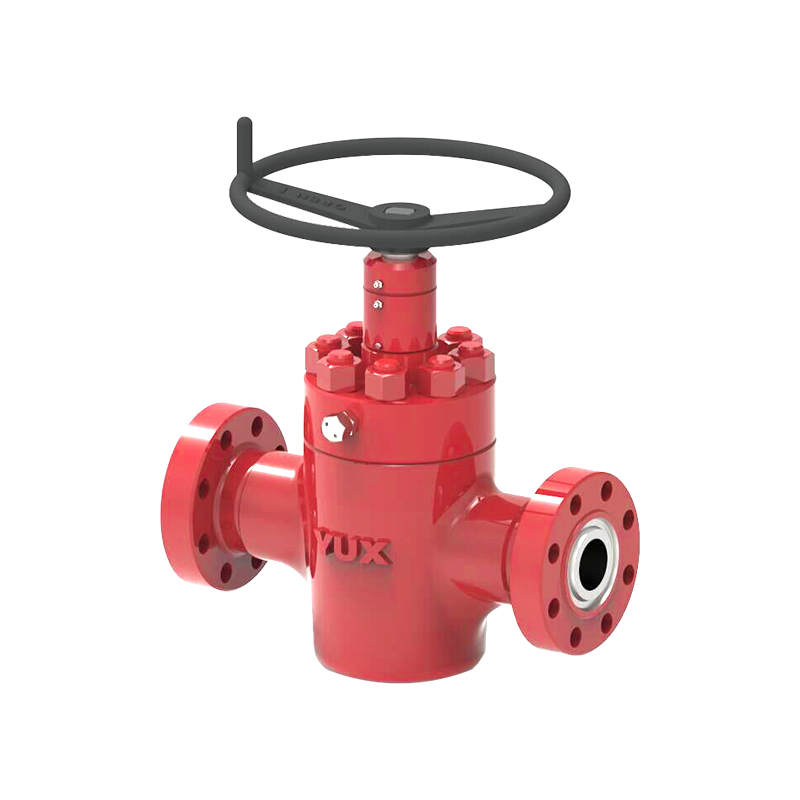
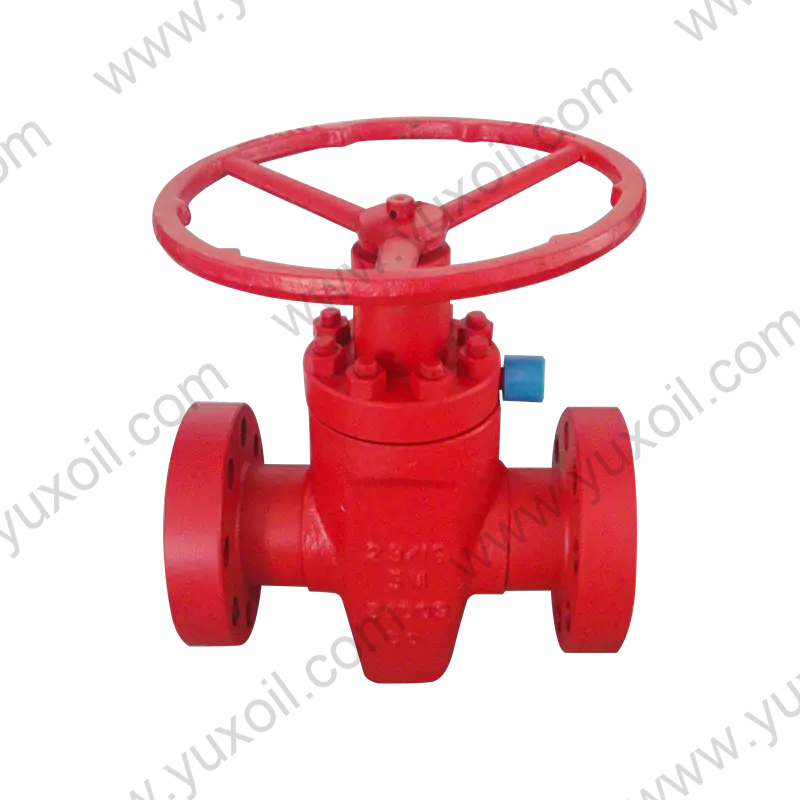
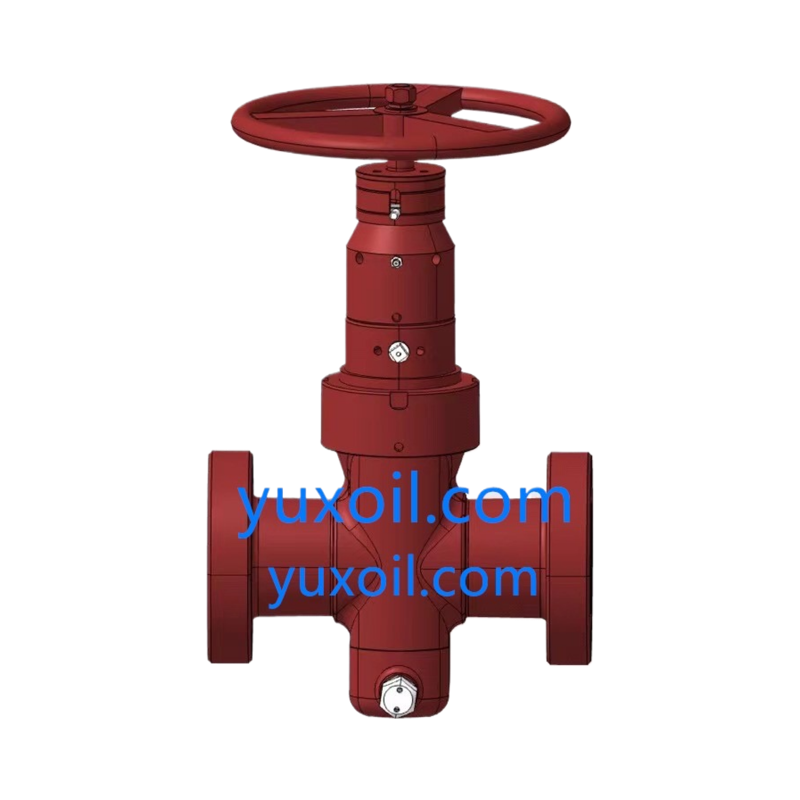
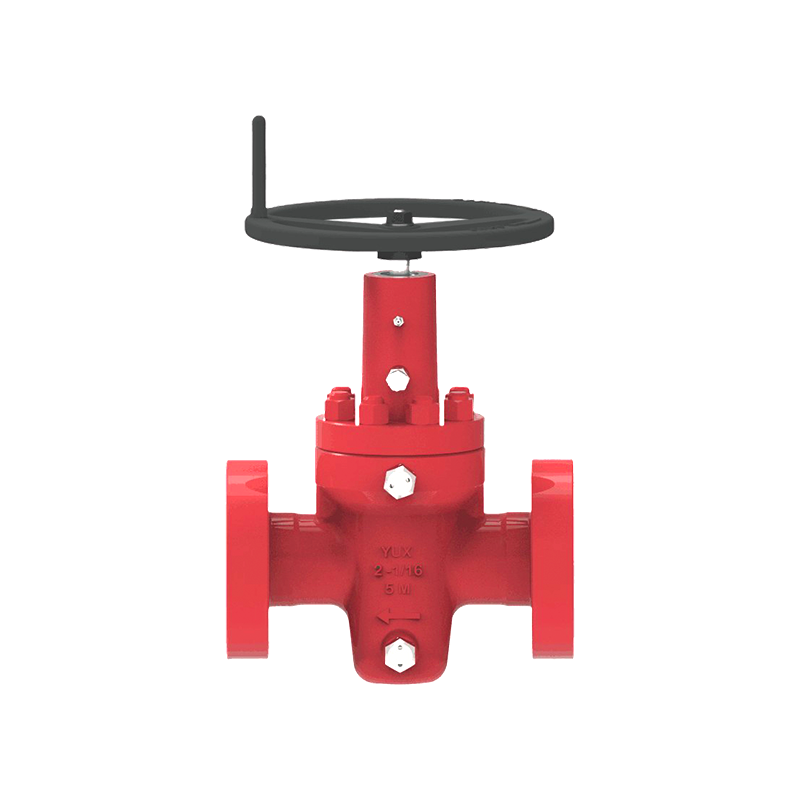 API 6A Expanding Gate Valve for Wellhead ServiceThis expanding gate valve meets API 6A standards, available in flanged or threaded ends with forged or cast body. Its wedge assembly provides reliable sealing, low torque, and metal-to-metal body-cover seal for corrosion resistance.View Product →
In wellhead equipment, the gate valve family is the workhorse. API 6A defines the requirements for these valves, including body materials, pressure ratings, and testing methods. At YUXOIL, the API 6A gate valve series includes expanding gate valves, FC gate valves, FLS gate valves, and PFF slab manual gate valves. Each design addresses a different combination of pressure and cycle demand.
An expanding gate valve uses a gate mechanism that expands against the seats under pressure, creating a mechanical seal that does not rely solely on line pressure. This can be an advantage in situations where the valve remains closed for long periods and then must open without seat sticking. A slab gate valve, such as the PFF slab manual gate valve, has a simpler flat gate that seals directly. It tends to be more compact and often more economical, while still satisfying API 6A pressure requirements.
When you compare these types, the main practical questions are the number of cycles, the required shut-off class, and the acceptable operating torque. For high-cycle fracturing services, an expanding gate valve may reduce the risk of seat leakage. For a production Christmas tree where the valve is seldom operated, a slab gate valve with a proven sealing design can be a more straightforward choice. Understanding the trade-off helps you avoid over-buying on one project and under-specifying on another.
For a deeper look at the functional requirements and acceptance criteria for these components, see our article on API 6A gate valves in the oil and gas industry.
Plug valves occupy a distinct niche in wellhead and fracturing service. They consist of a cylindrical or conical plug with a through-port that rotates a quarter turn to align with the flow path. Because the sealing area is inside the plug body, a plug valve can be very compact and still handle high pressure. This makes them useful in manifolds, instrument bypasses, and test lines where space is limited.
The main performance factor for a plug valve is the relationship between operating torque and sealing reliability. In high-pressure systems, the pressure acts against the plug and increases friction. That is why product designs often include a pressure-balanced plug or a lubricated sealing system. Without proper surface finish or a well-matched seal material, the valve can require excessive torque or become difficult to rotate after sitting idle.
In practice, a plug valve is best selected when you need to switch flow directions quickly and you do not need to throttle the flow. It is also a common choice in applications where the valve body must be compact, such as between the casing head and a high-pressure manifold. However, the sealing mechanism must be compatible with the media. Produced water with high solids content can wear the plug surface, while dry gas service may require special seal compounds. Always review the valve's torque curve and sealing material options before finalizing a purchase.
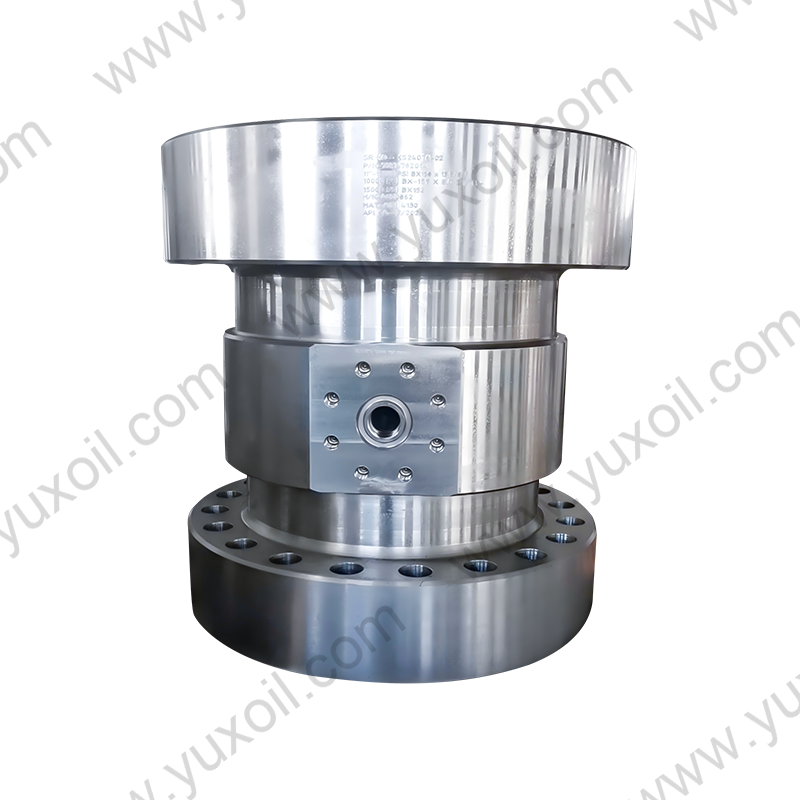
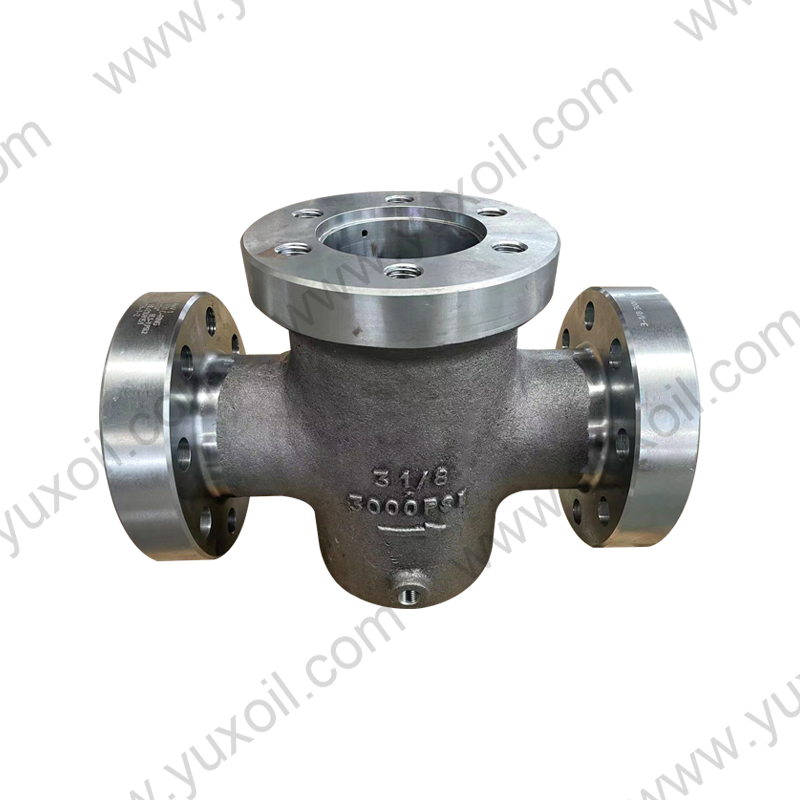
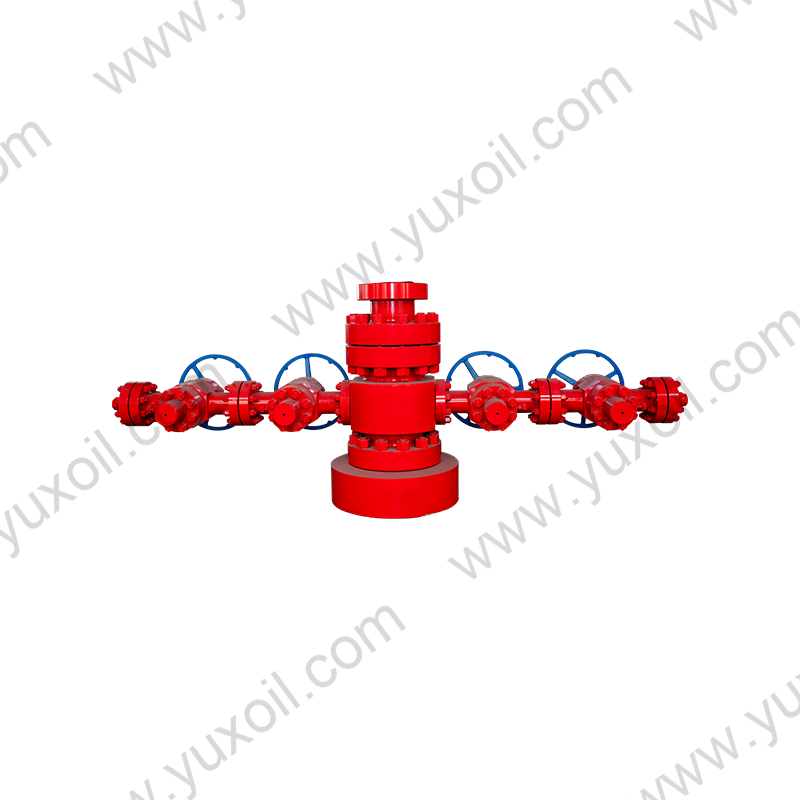 API 6A Casing Spool for Wellhead Support and SealingThe casing spool supports casing strings and provides side outlets for valves. It complies with API 6A, offering multiple flange sizes and pressure ratings to match your wellhead components.View Product →
Valve selection does not happen in isolation. The valve must bolt onto a casing spool, a frac head, or a Christmas tree, and the interface dimensions, pressure rating, and bore size must align with the adjacent components. A mismatch between the valve end connection and the wellhead spool can create an improperly sealed joint that fails under pressure.
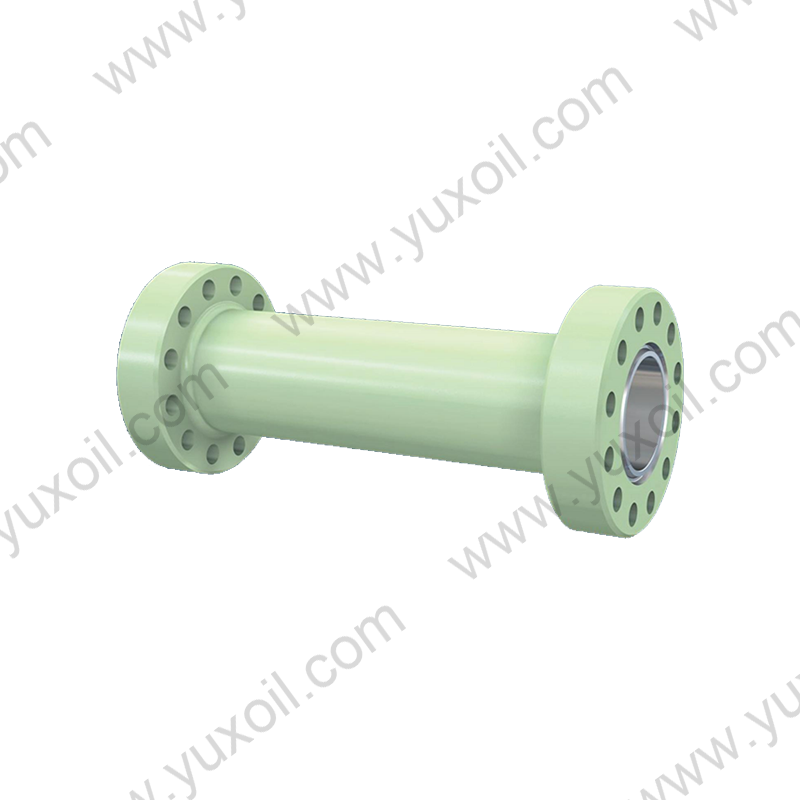
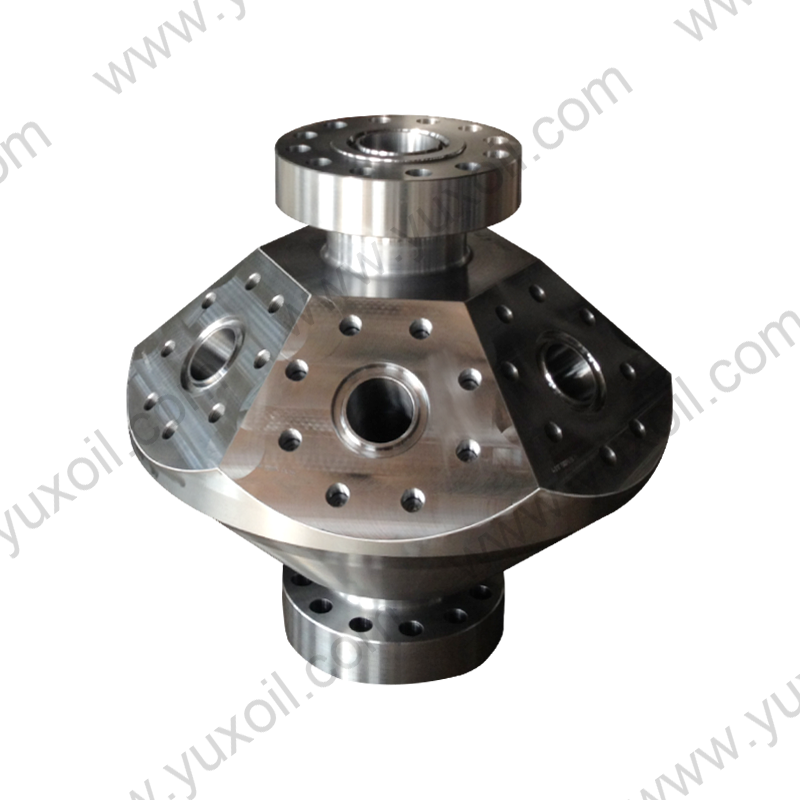 Versatile Frac Adapter with Multiple Outlet OptionsThis frac head adapter fits all API connections and offers four, five, or six outlets. It is designed for high-pressure fracturing operations, ensuring compatibility with standard flanges and efficient flow.View Product →
A casing spool is used to support and seal the casing strings at the wellhead. It contains side outlets and a landing shoulder for the next component. The valves mounted on these outlets must have a bore size that matches the spool's outlet rating. If the valve is oversized, the connection may not reach a proper seal; if it is undersized, the flow restriction can cause erosion and a sudden pressure drop.
The frac head, on the other hand, is the final connection between the fracturing pump manifold and the wellhead. It houses a series of valves that control the high-pressure slurry going into the well. The valves on a frac head often experience more opens and closes per job than wellhead production valves, so the seating geometry and seal material matter even more. This is why operators commonly ask for API 6A gate valves or plug valves with hardened trim on frac heads and discharge manifolds.
By thinking of the valve as part of a system, rather than an isolated component, you can reduce the chance of interface leakage and extend the useful life of the complete assembly.
Before you issue a purchase order for wellhead or fracturing valves, review these points with your supplier. They will help you avoid the most common failures and ensure the valve can be maintained in the field.
When you work with a manufacturer that has in-house casting and machining capabilities, the design-to-delivery loop is shorter. Our production setup at YUXOIL's manufacturing facility includes both a valve factory and a casting foundry, which allows us to control material quality and respond to changes in spec more quickly. That is an important consideration for any oilfield project that needs dependable equipment on schedule.
 No. 161, Yanhe Middle Road, Yanhe Town, Jianhu County, Yancheng City, Jiangsu Province, China
 +86-13961903990
 +86-515-86598285
 +86-515-86590688
Copyright © Jianhu Yuxiang Machinery Manufacturing Co., Ltd. All Rights Reserved.
 Login Wholesale High Pressure Wellhead/Drilling Equipment Manufacturer

 English
 русский
 Español