-

+86-13961903990

+86-13961903990
Industry News
 Home / News / Industry News / Gross Working Pressure in Oil and Gas Valves: Definition and Practical Guide
  2026.09.21
 Industry News
Content
When you receive a quotation for a wellhead gate valve, the nameplate usually shows a rated working pressure and a separate test pressure. These two numbers are the first things an engineer checks, and for good reason. Gross working pressure, often called rated working pressure, is the maximum pressure at which the valve can operate continuously under its design conditions. It is not the factory test pressure, and it is not a vague safety margin. It is the number you use to match the valve with the rest of your wellhead system, the number an auditor will look for during a well control review, and the number that ultimately protects the people and equipment downstream.
In API 6A terminology, gross working pressure is usually expressed as rated working pressure. Some suppliers also call it maximum allowable working pressure, though the two terms are not always interchangeable under every standard. For valve and wellhead component selection, the practical meaning is this: the maximum pressure the product can withstand at its rated temperature and material condition without leaking beyond allowable limits or suffering permanent deformation.
This pressure is not arbitrary. It comes from a defined API 6A pressure class. When a valve is marked 5,000 psi gross working pressure, it belongs to the 5,000 psi pressure class, which means the body, bonnet, and sealing elements were designed and verified according to the requirements of that class.
API 6A defines standard pressure classes that cover most wellhead and production valve needs. These classes are identified by rated working pressure in psi and approximate equivalent in MPa. Each class carries its own design, material, and testing requirements.
| Pressure Class (psi) | Pressure Class (MPa) | Typical Application |
|---|---|---|
| 2,000 | 13.8 | Low-pressure production and water injection service |
| 3,000 | 20.7 | Standard production and light injection wells |
| 5,000 | 34.5 | Medium-pressure wellhead and frac service |
| 10,000 | 69.0 | High-pressure wellhead and production service |
| 15,000 | 103.4 | High-pressure high-temperature and fracturing service |
| 20,000 | 138.0 | Ultra-high-pressure fracturing and deep well service |
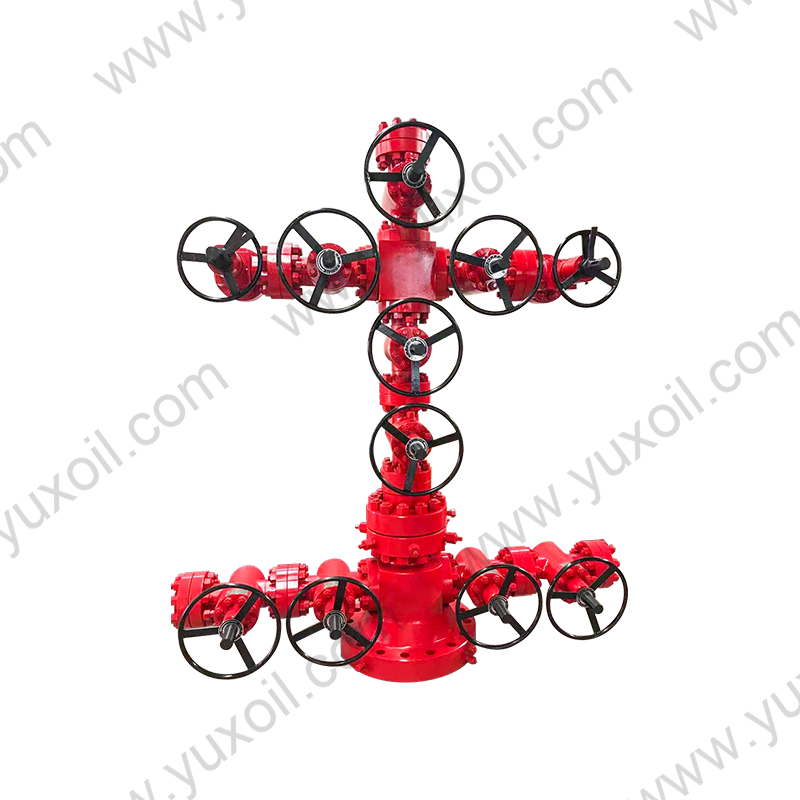
The pressure class of the valve must match the pressure class of the connected spool, head, or manifold. Mixing a 10,000 psi casing spool with a 15,000 psi gate valve does not produce a 15,000 psi system. The weakest component sets the gross working pressure for the entire assembly.
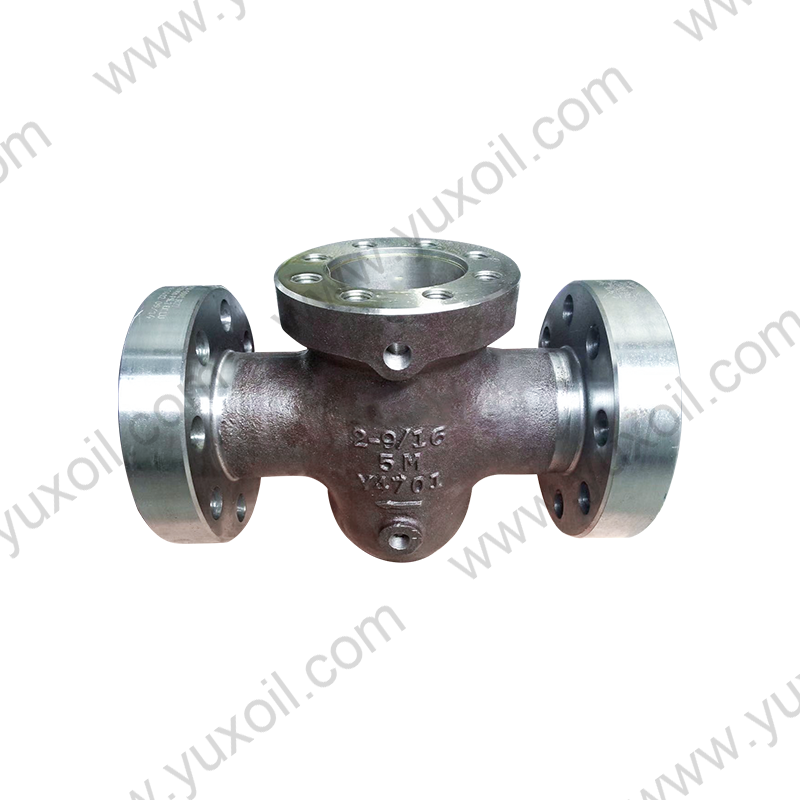
For API 6A gate valves, the PFF slab manual gate valve is a common choice in medium to high pressure classes.
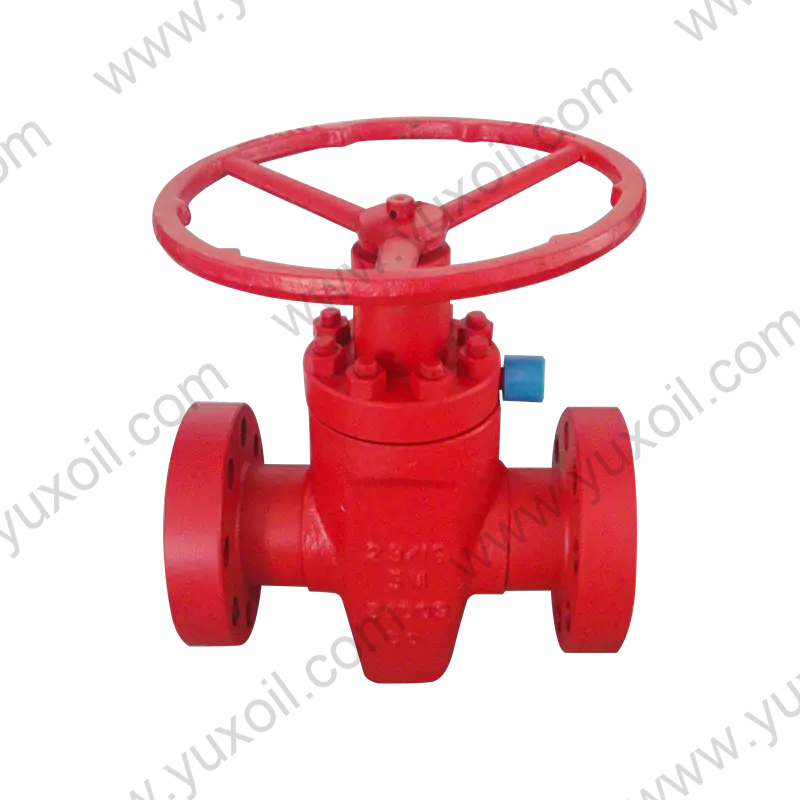 API 6A PFF Slab Manual Gate Valve for Medium to High PressureThis gate valve features a single-piece bidirectional sealing design for reliable flow control. Available in sizes 2 1/16" to 4 1/16" with working pressures up to 5000 psi, it suits various wellhead and production services.View Product →
It is designed for manual flow control in wellhead and production service, and it is a typical example of a product family built around distinct rated working pressure classes.
One of the most dangerous misunderstandings in valve procurement is treating test pressure as if it were working pressure. API 6A requires body shell testing at pressures higher than the rated working pressure. The exact ratio depends on the design and standard edition, but a commonly applied value is 1.5 times the rated working pressure. A 10,000 psi rated valve is often hydrostatically tested at 15,000 psi.
If you specify a valve based on test pressure alone, you can end up with an undersized body wall, an insufficient bonnet connection, or materials not rated for the cyclic loading you actually need. The gross working pressure cannot be replaced by a test record.
Selecting a valve is more than picking the highest number on a datasheet. Several service conditions can change how much pressure the valve can safely contain over time.
Temperature is the first factor. API 6A pressure classes are linked to material temperature ratings. As operating temperature rises, material strength drops, and the allowable working pressure may need to be derated depending on the material grade. The gross working pressure shown on the nameplate normally applies only within the rated temperature range. Outside that range, the safe limit may be lower.
Corrosion and erosion are the second factor. A valve rated at 10,000 psi in clean production service may not provide the same service life in an abrasive or corrosive frac fluid. The pressure rating does not prevent wall thickness loss from erosion. Over time, effective pressure capacity drops even if the valve was correctly rated at installation.
Cyclic loading is the third factor. Fracturing and well test operations commonly involve frequent pressure cycles. Every cycle contributes to fatigue. A valve selected at exactly the maximum expected pressure with no margin can develop a crack long before the maintenance interval when cycling is severe.
System matching is the fourth factor. If the wellhead includes frac heads, casing spools, and flow crosses, all should share a common gross working pressure. When a frac head is selected at a higher pressure class than the casing spool, the full system cannot be rated above the weaker component.
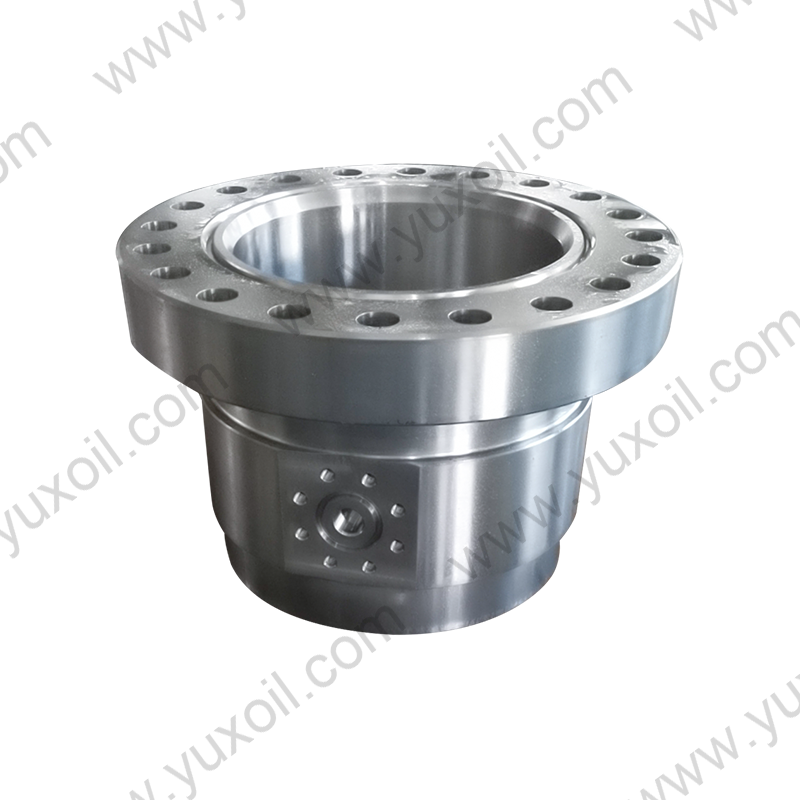
During fracturing operations, the frac head connects the wellhead to the surface pumping equipment and carries the same rated pressure as the rest of the tree.
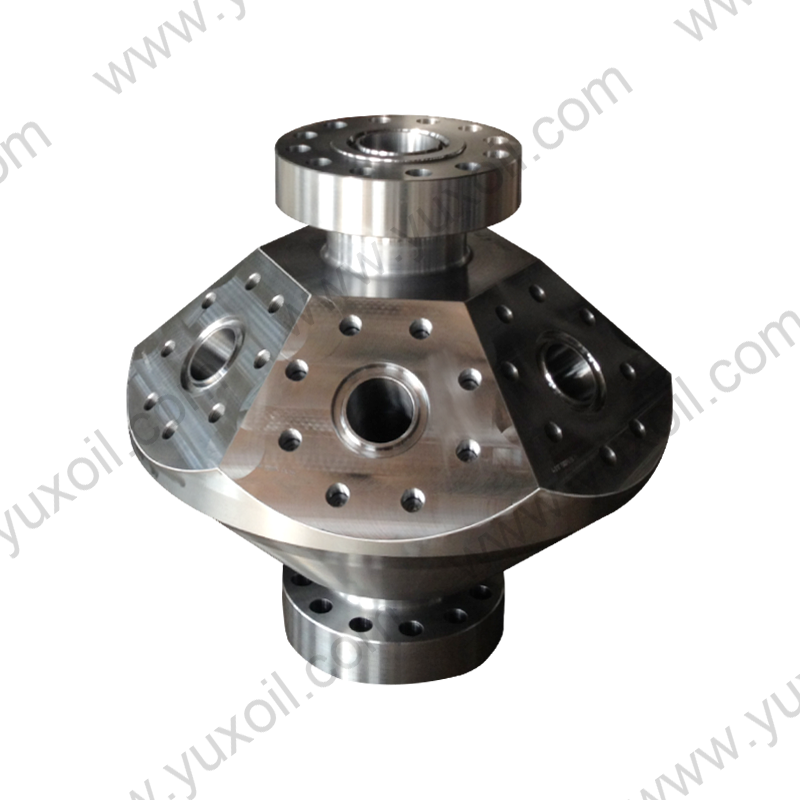 Frac Head for Wellhead Connection in Fracturing OperationsThis frac head connects the wellhead to surface pumping equipment and carries the same rated pressure as the tree. It offers flexible outlet configurations and compatibility with API connections, ensuring safety in high-pressure fracturing.View Product →
This is why the pressure class of the frac head must be specified in the same document as the gate valves and casing heads, rather than treated as a separate accessory.
When you look at the applications of API 6A standard gate valves in the oil and gas industry, the same logic appears repeatedly: the valve must be selected so that its rated working pressure is never exceeded in any operating mode, including transient conditions. This reference on API 6A standard gate valve applications helps connect pressure class selection to real wellhead and Christmas tree roles.
Over the years, several recurring mistakes appear in valve procurement for high-pressure oil and gas service.
Each of these mistakes can lead to costly replacements, production downtime, or a far more serious well control issue. A small investment in understanding the pressure class and its associated material and temperature rating is the most reliable way to avoid them.
Gross working pressure is not a marketing term. It is a defined engineering value tied to an API 6A pressure class and governed by standard design principles. When you review a valve quote, identify the rating in the product family name, confirm the test pressure is only a verification step, and verify that the pressure class of the valve matches the rest of the wellhead assembly.
In oil and gas service, valves must perform under pressure for years, not just once during a hydrotest. The meaning of gross working pressure is the foundation of that performance. If the foundation is wrong, everything built on it carries a safety problem from day one.
 No. 161, Yanhe Middle Road, Yanhe Town, Jianhu County, Yancheng City, Jiangsu Province, China
 +86-13961903990
 +86-515-86598285
 +86-515-86590688
Copyright © Jianhu Yuxiang Machinery Manufacturing Co., Ltd. All Rights Reserved.
 Login Wholesale High Pressure Wellhead/Drilling Equipment Manufacturer

 English
 русский
 Español