-

+86-13961903990

+86-13961903990
Industry News
 Home / News / Industry News / What is the Difference Between API 6A and API 6D High Pressure Valves?
  2026.04.13
 Industry News
Content
In the global oil and gas industry, the American Petroleum Institute (API) provides the most critical technical frameworks for equipment design and manufacturing. For petroleum engineers, field operators, and procurement managers, distinguishing between API 6A and API 6D is not merely a matter of administrative compliance; it is a fundamental safety requirement. Using a valve designed for pipelines in a wellhead environment can lead to catastrophic pressure failures, environmental disasters, and massive financial liability. While both standards govern high-pressure valves, they are engineered for diametrically opposed operational environments: the volatile Wellhead versus the high-volume Pipeline.
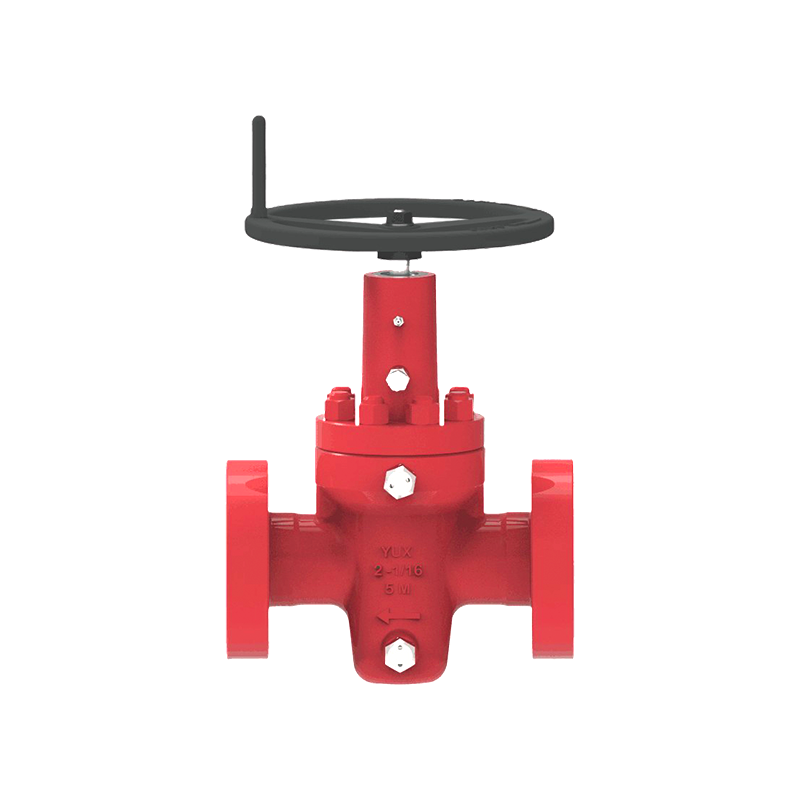
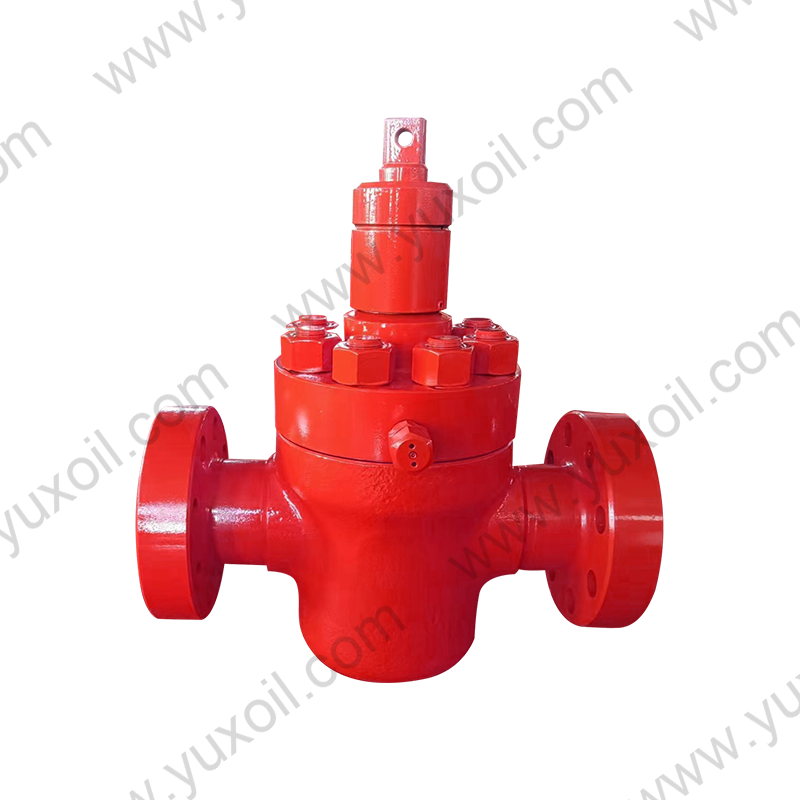
API 6A is specifically engineered for the most extreme, high-risk, and volatile conditions found in the oilfield. These valves are installed at the “upstream” end of the production process—sitting directly on top of the wellbore or integrated into the Christmas Tree assembly. Because these valves are the primary barrier between a pressurized subterranean reservoir and the surface, the design philosophy is centered on absolute pressure containment and material survivability under raw, untreated fluid conditions.
Once the oil or gas has been “tamed”—meaning it has passed through the initial separators and is ready to be moved away from the wellhead and into gathering or transmission lines—the engineering focus shifts to API 6D. This standard governs valves used in pipelines, refineries, and petrochemical transmission systems. In the API 6D world, the priorities move from raw pressure containment to flow efficiency, long-distance reliability, and ease of maintenance over a vast geographical area.
To assist procurement and engineering teams in making the correct selection, the following matrix highlights the primary technical divergences between these two critical high-pressure valve standards.
| Feature | API 6A (Wellhead & Tree) | API 6D (Pipeline & Piping) |
|---|---|---|
| Primary Location | Wellheads, Christmas Trees, Manifolds | Pipelines, Refineries, Storage |
| Pressure Ratings | 2,000 to 20,000+ PSI | Class 150 to Class 2500 (Approx. 6000 PSI) |
| Standard Sizes | Usually 1-13/16" to 7-1/16" | Up to 60" or larger |
| Sealing Design | Metal-to-Metal seals mandatory for high-spec | Soft or Metal seats (Application dependent) |
| Service Conditions | Raw, abrasive, corrosive reservoir fluids | Processed, clean, or stabilized fluids |
| Testing Focus | Extreme temperature & pressure cycles | Zero-leakage isolation & piggability |
| PSL/PR Levels | PSL 1-4 and PR 1-2 (Rigorous validation) | Not applicable (General isolation standards) |
Can I use an API 6D valve on a wellhead if the pressure rating is high enough?
No. This is a common but dangerous misconception. API 6D valves are not tested for the dynamic, abrasive, and high-shock conditions found at the wellhead. API 6A requires specific “Product Specification Levels” (PSL) that verify the metallurgical integrity and traceability of the valve body to a much higher degree than is required for pipeline service.
What is the significance of PSL levels in API 6A?
Product Specification Levels (PSL 1, 2, 3, 3G, 4) define the extent of technical requirements for the manufacturing process. PSL 1 is the basic level, while PSL 4 is reserved for the most critical applications, requiring 100% non-destructive testing (NDT), rigorous material traceability, and advanced volumetric inspections to ensure no hidden defects exist in the valve body.
Why are API 6A valves almost always Gate Valves?
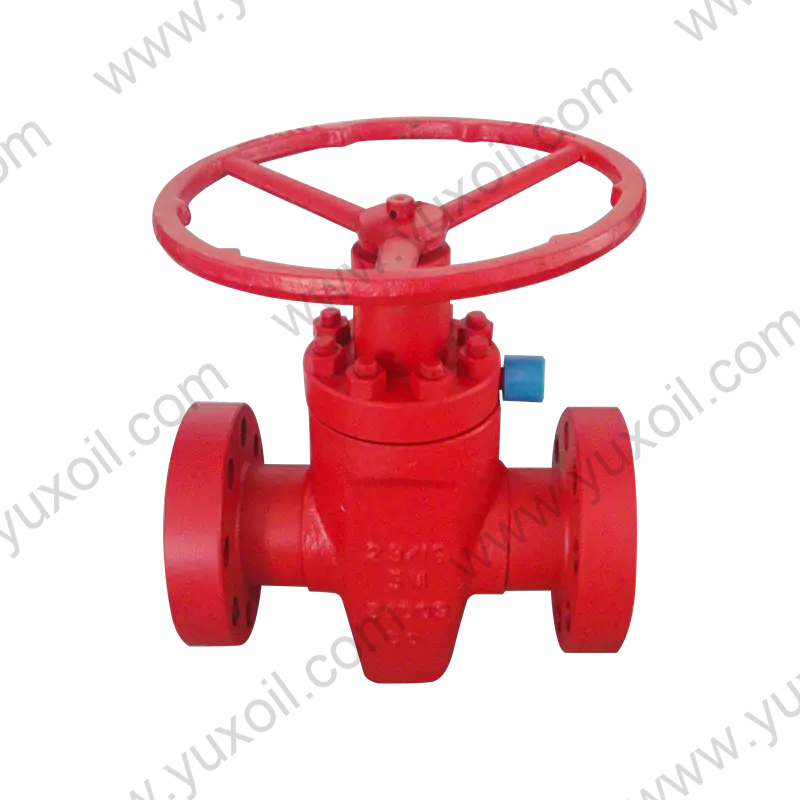
Gate valves are preferred in API 6A service because they offer a robust metal-to-metal seal that handles sand and debris found in raw well fluids far better than the soft polymer seals typically found in pipeline ball valves. The slab gate design allows for a “wipe” action that clears the sealing surface as the valve operates.
 No. 161, Yanhe Middle Road, Yanhe Town, Jianhu County, Yancheng City, Jiangsu Province, China
 +86-13961903990
 +86-515-86598285
 +86-515-86590688
Copyright © Jianhu Yuxiang Machinery Manufacturing Co., Ltd. All Rights Reserved.
 Login Wholesale High Pressure Wellhead/Drilling Equipment Manufacturer

 English
 русский
 Español