-

+86-13961903990

+86-13961903990
Industry News
 2025.12.29
 Industry News
Content
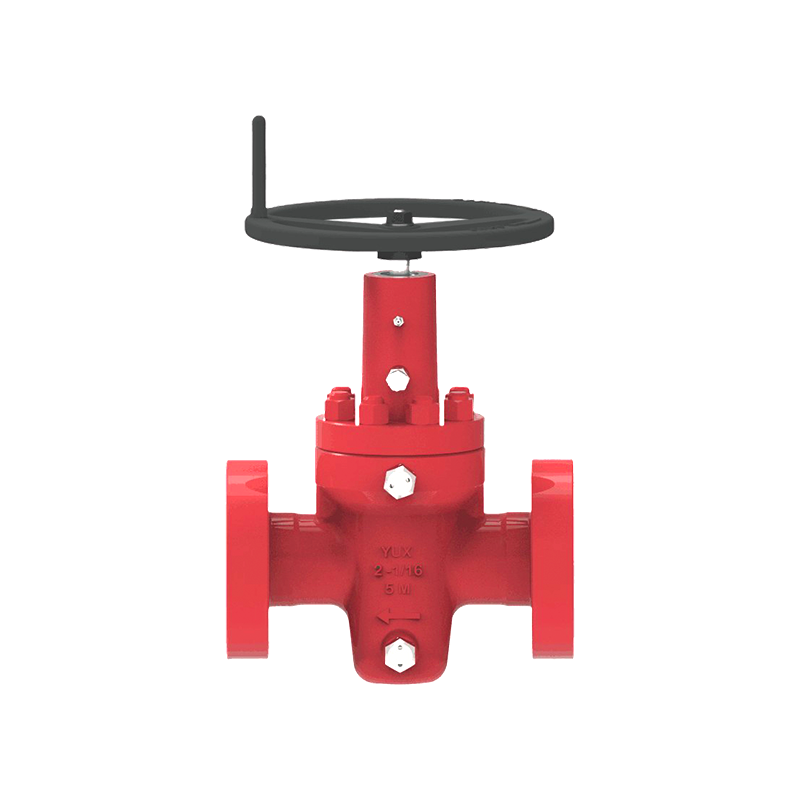
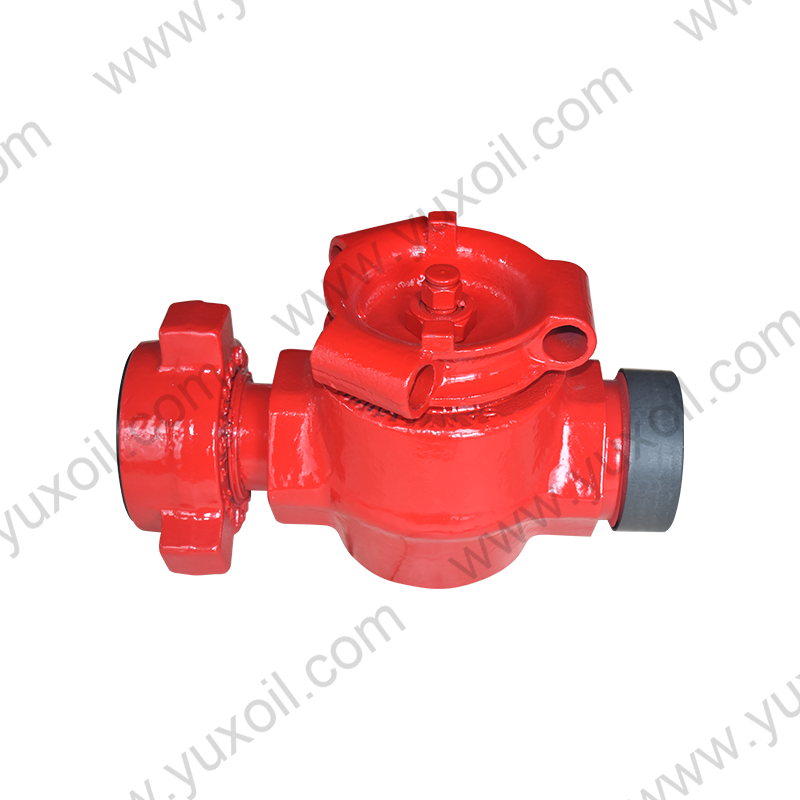
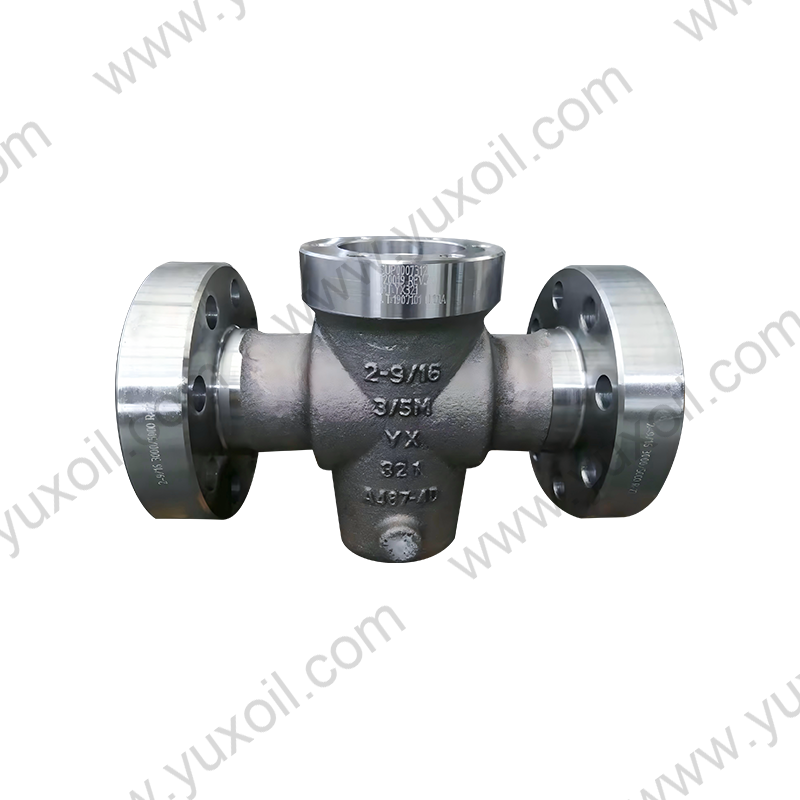
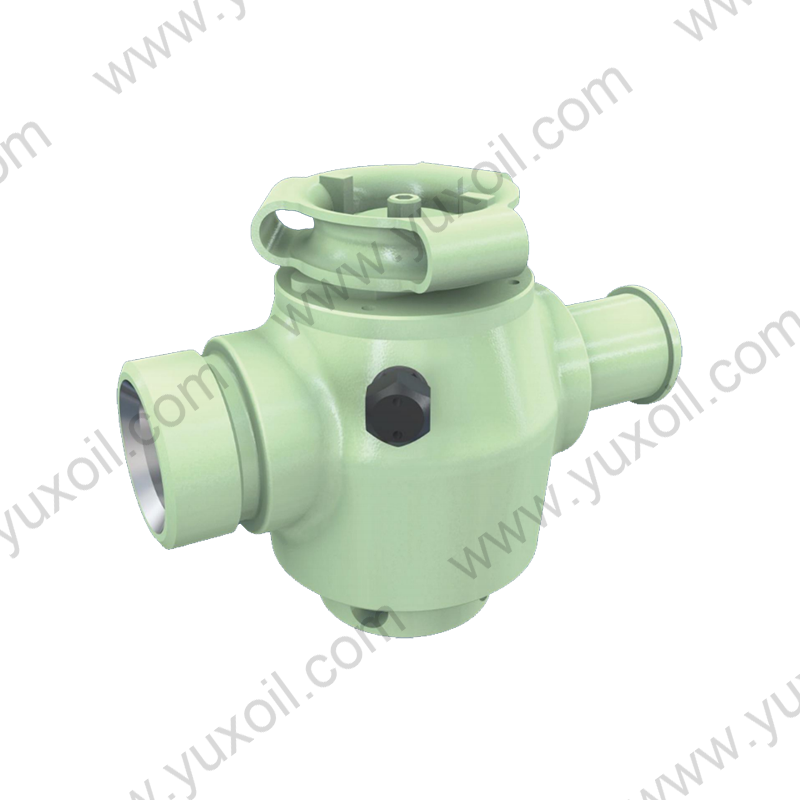
High Pressure Oilfield Valves are specialized components used in oil and gas operations that handle extreme pressure conditions during exploration, production, and transport of hydrocarbons. These valves are designed to manage the flow of oil, gas, water, and other fluids under very high pressures, ensuring both efficiency and safety in oilfield operations.
Oil and gas exploration is one of the most demanding environments for high-pressure equipment. When drilling deep wells to extract oil and gas from beneath the Earth’s surface, pressure can exceed 10,000 psi (pounds per square inch) in some cases. High Pressure Oilfield Valves are integral in controlling this immense pressure, especially when the drilling fluid, known as drilling mud, needs to be circulated through the system. These valves control the flow of both the drilling mud and the hydrocarbons extracted from the well.
In addition to drilling operations, Blowout Preventers (BOPs) are installed at the wellhead to prevent uncontrolled releases of oil and gas. High-pressure valves within the BOP system can close off the well in the event of an emergency, such as a blowout, which could be catastrophic if left unmanaged. The role of these valves is critical in maintaining control of the well under high-pressure conditions, ensuring the safety of workers and equipment.
High pressure valves in exploration equipment must also withstand the harsh conditions of deep-water drilling, where high pressure and corrosive seawater present unique challenges. These valves are designed with corrosion-resistant materials like stainless steel or specialized alloys to handle both the pressure and the elements.
Offshore drilling platforms, which operate in deepwater and ultra-deepwater environments, are exposed to significantly higher pressures than onshore oilfields. In these locations, high-pressure oilfield valves are essential for controlling fluid flow and ensuring operational safety. Offshore operations often require valves that are not only capable of handling high pressures but also resistant to the corrosive effects of seawater.
On offshore rigs, high-pressure valves are used in subsea systems, where they control the flow of oil and gas from the subsea wellheads to the surface platform. These valves must withstand not only high pressure but also the effects of saltwater, making corrosion resistance a critical factor in their design.
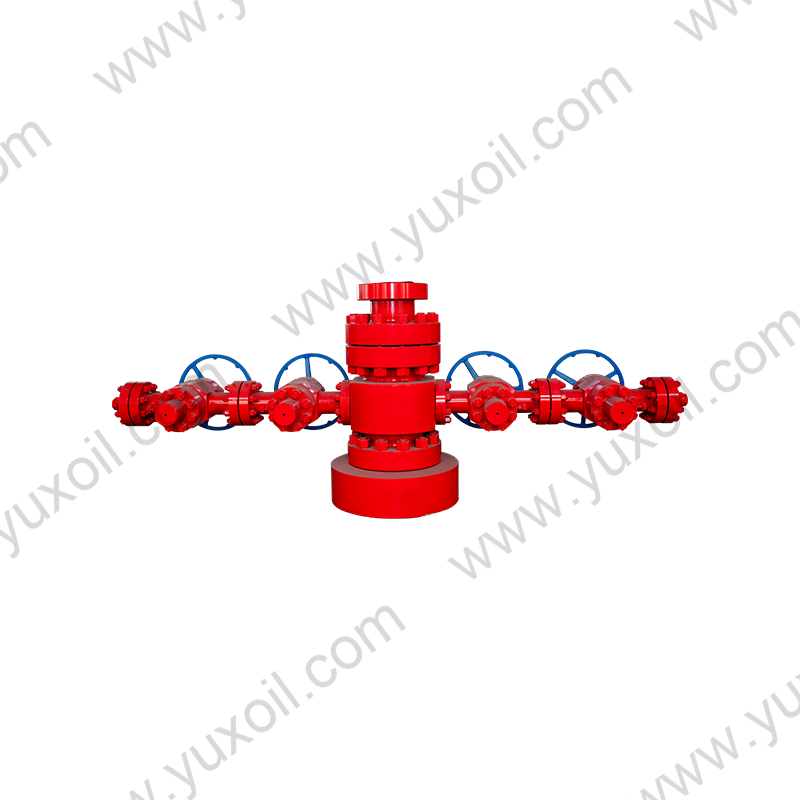
Another crucial application is in the Christmas tree equipment, which is used to manage the flow of oil and gas from subsea wells. High-pressure valves in the Christmas tree regulate flow rates, maintain well control, and ensure that the pressure within the well remains at safe levels. If any issue arises, these valves are designed to shut down the flow and isolate the well to prevent accidents or spills.
Given the extreme and challenging conditions, offshore oilfields require valves that are built to last, with advanced sealing and pressure-regulation mechanisms that can endure high pressures and environmental wear.
Natural gas is often transported via pipelines under very high pressure to prevent leaks and maintain flow rates. In these transportation systems, High Pressure Oilfield Valves are used to regulate the flow of gas, ensuring it moves smoothly across vast distances. These valves must be able to handle pressures up to 2,000 psi or higher, depending on the pipeline system’s requirements.
High pressure valves in compression stations are also crucial. Compression stations help maintain the pressure within the pipeline by compressing the natural gas, allowing it to flow more easily over long distances. These valves control the gas flow entering and exiting these stations, ensuring the system operates efficiently and safely.
Additionally, storage facilities for natural gas require high-pressure valves to control the inflow and outflow of gas from storage tanks. Natural gas is often stored in underground caverns or depleted oil reservoirs at high pressure. In these facilities, valves must be able to maintain the integrity of the storage system and safely manage pressure fluctuations during the gas withdrawal process.
| Feature | High Pressure Oilfield Valve | Standard Industrial Valve | Electric Valve |
|---|---|---|---|
| Pressure Rating | Designed to withstand pressures up to 20,000 psi | Typically rated for lower pressures (up to 2,000 psi) | Can be customized for medium to low-pressure systems |
| Corrosion Resistance | Made from specialized alloys to withstand harsh conditions | Standard materials may not offer corrosion resistance | Depends on material selection, generally suitable for controlled environments |
| Sealing Performance | Metal-to-metal seals or specialized materials to ensure leak-proof operation | Gasket or rubber seals that may wear out faster | Features electric actuators for precise flow control |
| Common Applications | Oil and gas exploration, offshore platforms, subsea systems, pipeline control | Water and gas pipelines, industrial machinery | Automated systems, HVAC systems, fluid systems requiring precise control |
| Material Durability | Extremely durable, built to last in high-pressure, harsh environments | Less durable, requires frequent maintenance | Designed for automation but can be prone to wear if not maintained properly |
At the heart of oil and gas production, the wellhead and Christmas tree systems require high-pressure valves for controlling production fluids and regulating pressure. These systems are crucial in maintaining the stability and efficiency of the production process. High-pressure oilfield valves in these systems allow operators to control the flow of fluids from the wellhead to the surface.
In the Christmas tree, which is located on the seabed or onshore at the wellhead, high-pressure valves are installed to monitor and manage the flow of oil and gas under various pressures. These valves not only regulate the flow but also shut off the system in case of sudden pressure increases, preventing blowouts or leaks. The valves are also used to isolate parts of the system during maintenance or in emergency situations.
High-pressure valves in these systems must be extremely reliable and designed for both longevity and performance. They must be able to withstand long-term exposure to high pressures, corrosive fluids, and extreme environmental conditions. The design and maintenance of these valves are critical to preventing operational delays and ensuring the safety of oilfield workers.
Enhanced Oil Recovery (EOR) methods, such as water flooding or gas injection, are employed to increase the amount of oil extracted from a reservoir. These operations often require injecting fluids into the reservoir at high pressure to push more oil toward the wellbore. High Pressure Oilfield Valves are used to control the injection of water, gas, or steam during the EOR process, ensuring that the injected fluids reach the reservoir effectively and efficiently.
These valves must be highly reliable as they control the flow of fluids into wells under high-pressure conditions. The ability to control the flow of fluids at various pressures helps maintain the integrity of the reservoir and ensures that oil recovery rates are maximized without compromising the well’s performance.
High-pressure valves are critical for maintaining precise control over the injection pressures and managing the risks associated with injecting fluids into a reservoir. Without the proper control, the EOR process could result in over-pressurization, leading to system failures or loss of production.
Q1: What is the role of high-pressure oilfield valves in oil drilling operations?
High-pressure oilfield valves regulate the flow of fluids such as drilling mud and hydrocarbons during drilling operations. They help maintain pressure control, prevent blowouts, and isolate sections of the well as needed.
Q2: Why are high-pressure valves used in offshore operations?
Offshore oilfields require valves that can handle extreme pressures from deep-water drilling. These valves also need to resist corrosion from seawater, making them essential for subsea flow control and safe oil extraction.
Q3: How do high-pressure oilfield valves help in gas transportation?
High-pressure oilfield valves ensure the safe transportation of natural gas under high pressure through pipelines. These valves help regulate flow and prevent accidents due to pressure spikes or leaks.
Q4: What materials are used in high-pressure oilfield valves to resist corrosion?
High-pressure oilfield valves are often made from specialized alloys, such as stainless steel or nickel alloys, which provide resistance to corrosion from harsh chemicals and saltwater environments.
 No. 161, Yanhe Middle Road, Yanhe Town, Jianhu County, Yancheng City, Jiangsu Province, China
 +86-13961903990
 +86-515-86598285
 +86-515-86590688
Copyright © Jianhu Yuxiang Machinery Manufacturing Co., Ltd. All Rights Reserved.
 Login Wholesale High Pressure Wellhead/Drilling Equipment Manufacturer

 English
 русский
 Español